


Overseas Dental Lab Turnaround Times: Week-by-Week Guide
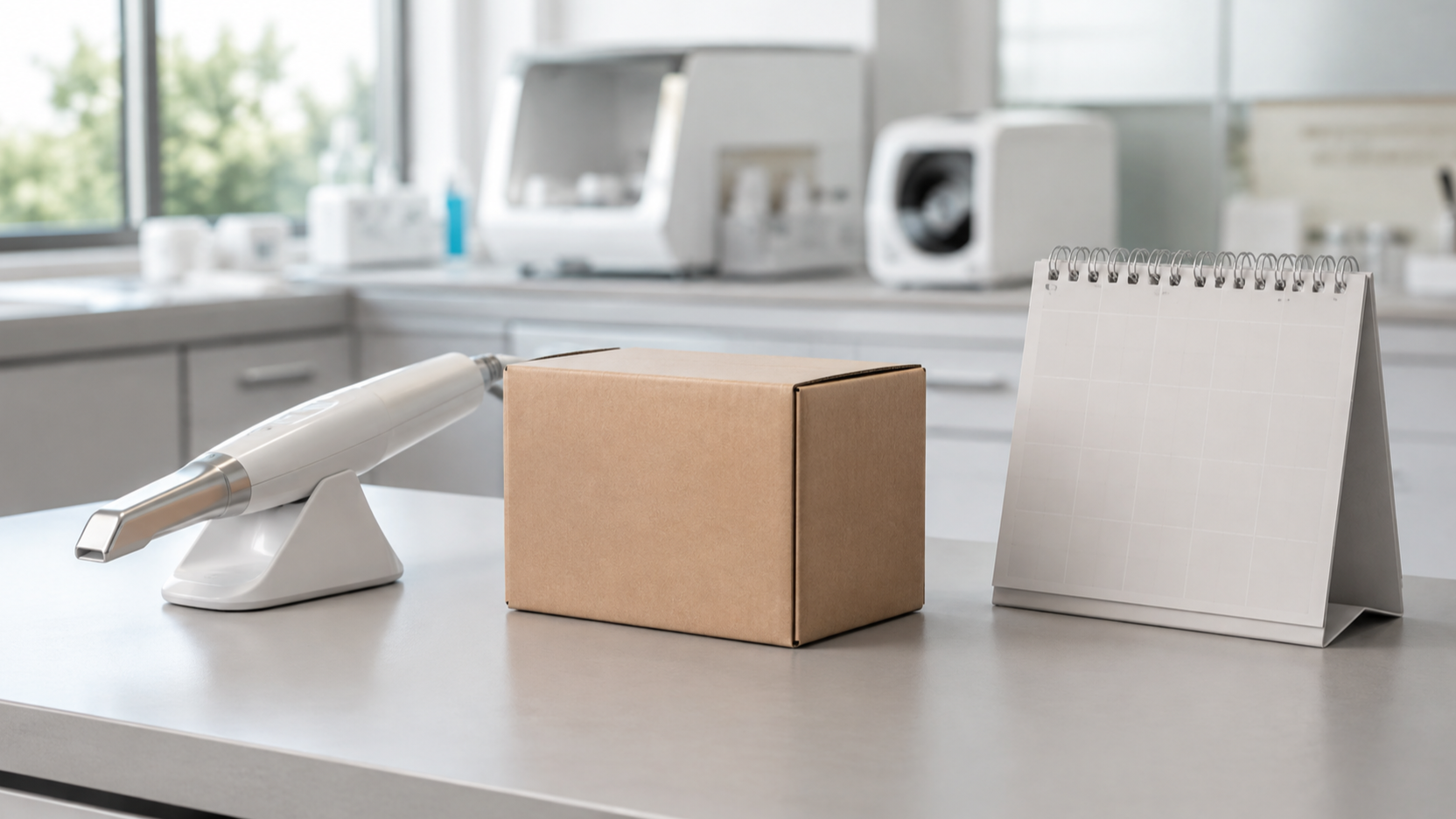
When a practice asks us how long an overseas case will take, the honest answer is not a single fabrication number. The useful answer is a dated plan from submission to the patient’s seating appointment, with room for clinical questions, production checks, international transport, and customs. A restoration can leave the bench on schedule and still miss the appointment if those other stages were never included.
We are Topway Dental Lab, an outsourcing dental laboratory and contract manufacturer founded in 2006 in Xili, Shenzhen. Our lab is now located in Bao’an District, Shenzhen, with more than 300 employees in a 5,000-square-meter facility. Because we serve overseas dental laboratories and practices, we plan turnaround as a chain of handoffs rather than as “days in production.” This guide explains the timeline we use for planning and where dentists and laboratory owners can remove avoidable delay.
What “Turnaround Time” Really Means for Overseas Cases
Total turnaround starts when we receive a usable case and ends when the restoration is available for the clinical appointment. It is not simply the interval between milling and dispatch. For planning purposes, we separate the work into three phases:
- Submission and acceptance: We receive the scan or analog case, prescription, shade information, photographs, and any implant or occlusal records, then check whether the package is complete enough to enter production.
- Fabrication and quality control: The case moves through design or model work, material-specific production, fit and occlusal checks, finishing, and final inspection.
- Shipping, customs, and local delivery: The completed work travels from Shenzhen to the destination country, clears the relevant import process, and reaches the practice or partner laboratory.
The distinction matters. Production is under the laboratory’s direct control; cross-border transport is not entirely under any laboratory’s control. A complete digital submission lets us begin the first phase without waiting for an impression parcel to arrive, but international transit still has variables, including destination and customs clearance. That is why a credible overseas dental lab turnaround should be quoted as a total planning window, with the shipping method and starting point stated.
Before comparing two laboratories, ask whether each quoted time begins when the prescription is sent, when the case is accepted, or when production starts — and whether it ends at dispatch or delivery. Our broader introduction, the complete guide to dental lab outsourcing, can help a team evaluate turnaround alongside communication, product scope, and compliance.
Week-by-Week Breakdown: From Digital Scan to Delivery
The following is a practical planning model for a standard digital case with complete records. It is not a guaranteed service level. Multi-unit, implant-supported, full-arch, removable, or technically unusual work may require a different sequence and case-specific confirmation, and weekends, holidays, destination, customs, and the selected shipping service can change the calendar.
| Planning stage | Typical working window | What happens | Main cause of avoidable delay |
|---|---|---|---|
| Submission and acceptance | Day 1–2 | File intake, prescription review, record check, and clarification where needed | Missing shade, unclear margin, incomplete implant information, or conflicting instructions |
| Design and core fabrication | Day 2–5 | CAD design, milling where applicable, or the relevant wax-up and production route | A clinical question that must be resolved before design can be approved |
| Finishing and internal inspection | Day 5–7 | Finishing, staining and glazing where applicable, followed by internal quality checks | A result that requires correction before release |
| International transport and customs | Day 7–12 | Dispatch, export movement, import clearance, and transfer into local delivery | Economy routing, customs review, an address issue, or a holiday |
| Delivery and clinical readiness | Day 12–14 | Receipt by the practice or partner laboratory, package check, and preparation for the appointment | Booking the patient before confirmed delivery |
Day 1–2: submission and case acceptance
A fast case begins with an unambiguous case. At intake, our concern is not merely whether a scan file opens — we need to know whether the laboratory can follow the prescription without guessing. That means matching the case identifier to the Rx, checking the prescribed restoration and material, reviewing the margin and available clearance, and confirming that shade and supporting photographs are present when needed. An implant case also needs its component information confirmed before design proceeds.
If something is unclear, the fastest responsible action is to stop and ask. Beginning manufacture on an assumption may appear to save a message, but it can cost an entire remake cycle. Teams new to digital outsourcing can follow our guide on how to send digital impressions to an overseas lab for the submission mechanics.
Day 2–5: design and fabrication
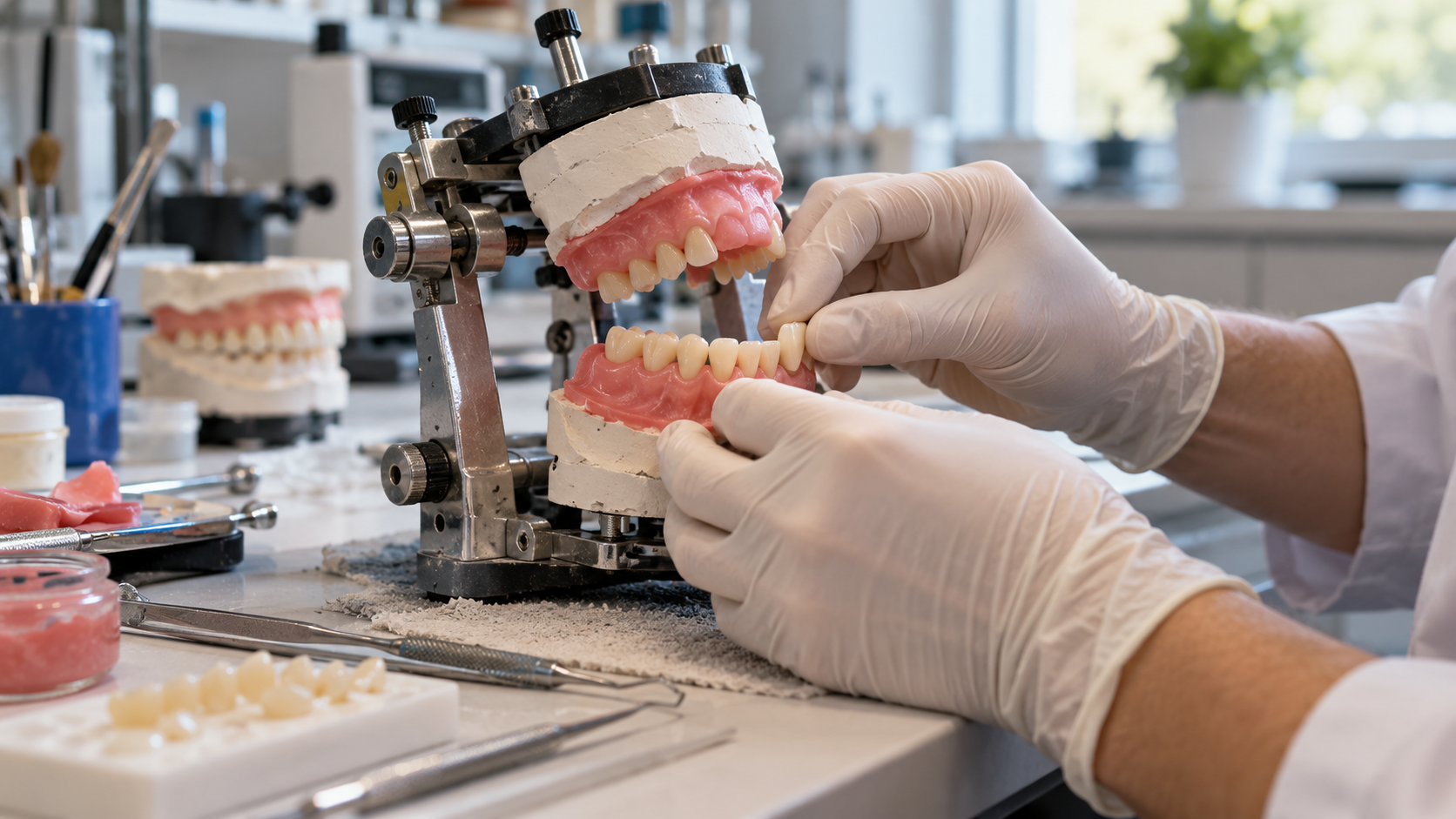
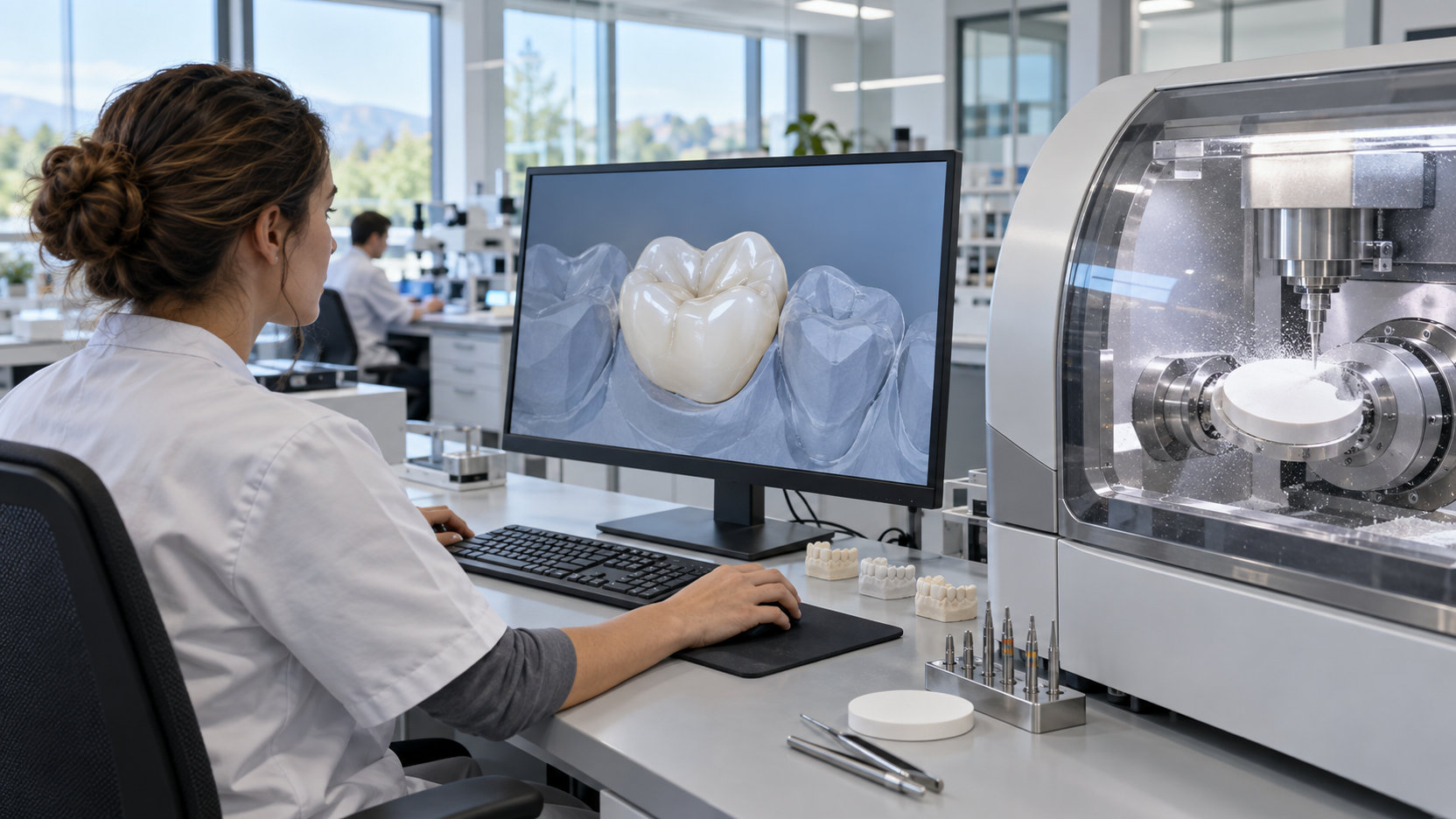
Once accepted, the production route depends on the restoration. A digitally submitted case may move into CAD design and CAD/CAM milling; other work may require model work or a wax-up first. This is where the prescription becomes a manufacturable design: contacts, occlusion, emergence, connector areas, and the relationship to the opposing arch are resolved within the information supplied.
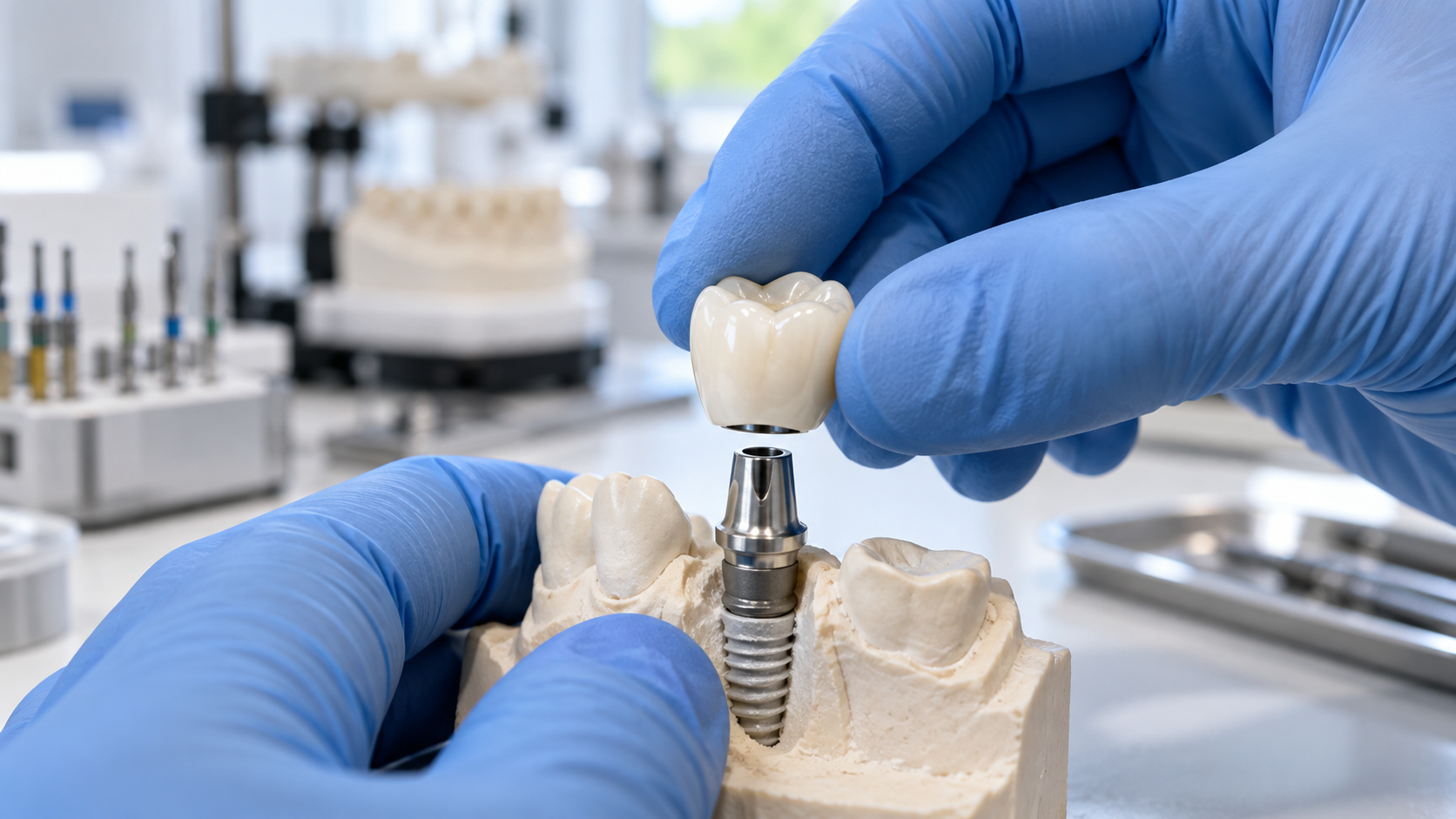
A single-unit case and an extensive implant-supported case should not share an automatic deadline. For crown and bridge restorations, span, material, and finishing requirements affect the route. For dental implant restorations, the components and clinical records add dependencies that must be resolved before fabrication. We confirm the case schedule after review rather than allowing a generic website number to overrule the actual prescription.
Day 5–7: finishing and internal quality checks
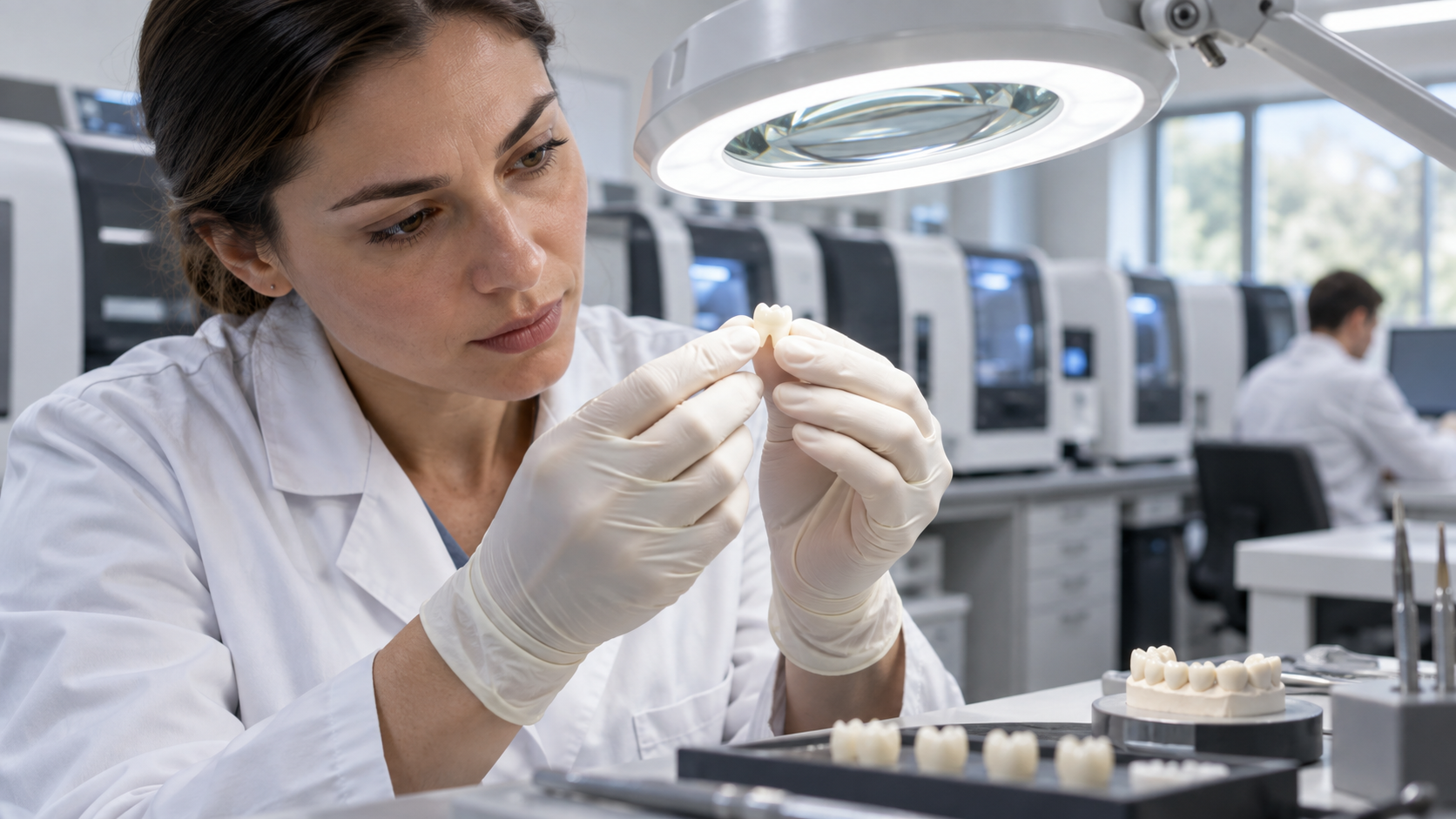
Finishing is not dead time between manufacture and shipping. It is where surface, shade-related instructions, contour, and final presentation are completed, and the case then needs internal inspection before release. If a check identifies something that does not meet the case requirements, correcting it in the lab is preferable to transferring that problem to the chair.
Our overview of our 7-step quality control process explains the wider control framework. Turnaround planning should protect these checkpoints: “rush” must mean prioritized coordination, not omission of the checks that make a restoration ready for clinical evaluation.
Day 7–14: shipping, customs, and delivery
After final release, the timeline changes from a production schedule into a logistics schedule. Express and economy services have different planning implications, and customs clearance can introduce variation. The destination also matters: a route to the United States is not automatically equivalent to one to Australia or Europe. We do not treat an estimated transit window as a guarantee.
Practices should reserve an internal receiving step as well. When the parcel arrives, confirm the patient and case identifiers, contents, and appointment status before the patient is in the chair. US practices that need a focused discussion can read our guide to shipping and compliance for US dentists.
What Affects Your Turnaround Time
Case complexity and restoration type
A single crown has fewer dependencies than a full-arch or implant-supported prosthesis. Complexity can add design review, component confirmation, staged evaluation, or additional clinical communication. The material and restoration category also determine the production sequence: zirconia, e.max, PFM, and removable work do not move through identical steps, so the schedule needs to follow the actual case rather than the product name alone. If zirconia is part of your case mix, our article on zirconia crowns from a China lab provides product-specific context.
Digital versus analog submission
A digital file can remove the inbound international shipment from the critical path. We can review the scan and prescription after electronic receipt instead of waiting for a physical impression to reach Shenzhen. That does not make every subsequent production step instantaneous, but it allows questions to surface earlier.
Analog cases require a different plan. The clock that matters to the patient begins before our intake: packaging, outbound transport to China, receipt, and case review all happen before production. A practice comparing “lab days” should add this inbound interval or it will underestimate total turnaround.
Completeness of the first submission
The most controllable delay is often the pause between “files received” and “case accepted.” A prescription that names a restoration but omits a needed shade instruction, a photograph that cannot be matched to the case, or an unclear priority can create a cross-time-zone question. If the reply arrives after the receiving team’s working hours, the case may not move forward until the next communication cycle.
We recommend one case identifier across the prescription, scan folder, photographs, and message subject. Put special instructions in writing rather than only in a chat thread. If the case has a fixed appointment constraint, state both the requested delivery date and the seating date, so our team can distinguish the logistics deadline from the clinical deadline.
Destination and shipping choice
We have served laboratories and practices in the US, UK, Germany, France, Canada, Australia, New Zealand, Israel, and Brazil since our market expansion beginning in 2010. Those destinations should not be collapsed into one shipping assumption. Service level, local delivery coverage, import processing, and holidays can all affect arrival, so we discuss delivery expectations in destination-specific terms when accepting a case.
How to Reduce Your Wait Without Cutting Corners
Shorter total turnaround usually comes from removing queues and unanswered questions, not from compressing every bench stage. The following actions protect both time and quality:
- Submit digitally when the case supports it. This removes the inbound parcel from the timeline and lets our intake team assess the case sooner.
- Send a complete documentation set. Include the prescription, compatible scan files, opposing arch and bite records as applicable, shade information, labeled clinical photographs, and any required articulator or implant information.
- Make the deadline explicit. Tell us the needed delivery date and patient appointment date. “Urgent” is less useful than a calendar requirement.
- Answer technical questions in one thread. Keep the case identifier in the subject and include the decision, not just “approved,” when more than one option was discussed.
- Consolidate routine shipments deliberately. A partner laboratory with a steady flow may batch compatible routine cases, but a case should not sit waiting for a batch if its clinical date requires earlier dispatch.
- Select express transport when the clinical need justifies it. This can reduce planned transit compared with an economy option, but it does not remove customs or local-delivery uncertainty.
- Protect the final quality gate. Do not recover time by asking the laboratory to skip inspection. If the schedule is too tight, change the logistics choice or the patient date.
Plan around holidays before submission
Holiday planning must cover both origin and destination. Chinese New Year is especially important because it affects production and logistics planning in China. Since 2022, we have used special production scheduling arrangements during Chinese New Year to protect quality and turnaround. That preparation helps, but practices should still flag cases with dates near the holiday as early as possible. National holidays in the destination market can also affect customs or final delivery, so a dispatch date alone is not enough.
Rush Cases and Priority Scheduling
A rush request is feasible only when the technical route, current production capacity, records, and transport window support it. Straightforward work with a complete digital submission may offer more scheduling flexibility than a complex case with unresolved clinical decisions. Restoration category matters as well: a priority label cannot remove necessary design, fabrication, finishing, or inspection stages.
For the fastest useful answer, send the complete case first and mark the request for schedule review. Include the restoration type, material, case extent, destination, desired delivery date, and patient appointment date. Our team can then identify the critical path and tell you whether the requested window is realistic. Do not ship an analog impression on the assumption that a rush slot has been accepted; confirm the plan before committing the patient.
We also recommend giving the patient a date based on confirmed delivery, not the earliest theoretical courier estimate. For a case with little tolerance for movement, allow time after receipt for the practice or partner laboratory to verify the package. Priority production can reduce a controllable queue, but it cannot turn customs or local transport into a guaranteed event.
Planning Your Patient Schedule Around Overseas Lab Timelines
Work backward from the seating appointment
Start with the proposed seat date and reserve a receiving buffer before it. Ahead of that, place the likely international transit and customs window. Ahead of dispatch, place the case-specific fabrication and inspection window. The preparation or scanning appointment must then allow time for intake questions before production begins. This backward calculation makes dependencies visible before the patient leaves the first appointment.
If a try-in is part of the prescribed workflow, treat it as a separate laboratory cycle rather than placing try-in and final seating inside one shipment assumption. Each stage needs its own submission, review, production, dispatch, receipt, and clinical appointment plan; confirm the sequence during acceptance.
Build a pipeline instead of waiting case by case
Practices and partner laboratories often manage overseas work more smoothly when cases overlap. While one case is in transport, another can be in production and a third can be under clinical review. This does not shorten an individual technical step, but it removes the pattern of waiting for one parcel before starting the next case.
A simple case tracker should record the patient-safe case identifier, submission date, acceptance status, open question, planned dispatch window, tracking status, expected receipt, and appointment date. Review exceptions rather than repeatedly checking every routine case. If the clinical date changes, tell us promptly; the new information may alter batching or shipping decisions.
Use repetition to improve the effective timeline
An established working relationship reduces preventable clarification because both sides learn the preferred prescription format, file naming, communication channel, and approval responsibilities. It does not eliminate the need to review each case, but it makes handoffs cleaner: we know who can answer a design question, and the client knows what records our intake team needs.
Compliance should remain part of that repeatable workflow. Topway Dental Lab is an FDA-registered contract manufacturer for Class I/II medical devices and holds a CE certificate, ISO 13485, ISO 9001, the Medical Device Production License of China, and a Class II Medical Device Product Registration Certificate issued by China FDA/NMPA. We use only FDA-approved materials. These controls sit alongside scheduling; they are not steps to be removed when a case is urgent.
The best overseas timeline is transparent: both parties agree when the case becomes production-ready, which checkpoints apply, how it will travel, and what event is safe to use for booking the patient. Send us the complete case details and destination for a case-specific turnaround assessment — and if you also need commercial information, contact us for a current price list.
Frequently Asked Questions
How long does it take to get a crown from an overseas dental lab?
For a standard, complete digital case, Day 12–14 from submission to delivery can be a realistic planning window under the model above. It is not a guarantee: material, case complexity, required clarification, destination, shipping service, customs, weekends, and holidays may change the schedule. We confirm timing after reviewing the actual prescription and records.
Is shipping from China to the US included in the turnaround time?
It should be included when you plan total turnaround. Always distinguish production time from delivery time and ask whether a quotation ends at dispatch or receipt. In our planning model, international transport and customs are separate from fabrication. US clients should also allow for local delivery and an internal receiving check before the patient appointment.
Can I get rush orders from a Chinese dental lab?
Rush scheduling may be possible after case review. Feasibility depends on the restoration, completeness of the submission, required technical stages, available production capacity, destination, and transport window. Send the desired delivery date and patient appointment date with the complete case; do not assume that “urgent” removes fabrication or quality-control steps.
Does digital impression submission speed up overseas lab turnaround?
It can shorten total turnaround by eliminating inbound shipment of a physical impression, and it lets our team inspect the files and raise questions earlier. It does not remove the necessary design, fabrication, finishing, inspection, outbound shipping, or customs stages.
What happens to turnaround times during Chinese New Year?
Chinese New Year requires advance production and logistics planning. Since 2022, our lab has used special scheduling arrangements during the holiday period to protect quality and turnaround. Clients should still identify cases near the holiday early, submit complete records, and wait for a case-specific delivery plan before confirming the seating appointment.
Top Posts

Recent Posts



How can we help you today?
We believe in providing the best possible care to all our existing patients and welcome new patients to sample.
