


Chinese Dental Lab Quality: Our 7-Step QC Process | Topway

A crown that looks acceptable in a photograph can still cause chairside problems if the margin, contact, occlusion, prescription, or case ID is wrong. So the useful question is not whether an overseas laboratory says it delivers quality. It is where a case can be stopped, who checks it, what record follows it, and what happens when a check fails.
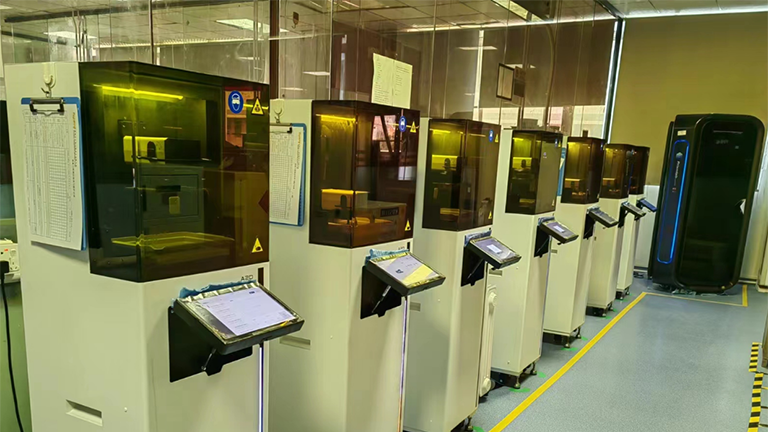
We are Topway Dental Lab, an outsourcing dental laboratory founded in Shenzhen in 2006. Today we operate from a 5,000-square-meter facility in Bao'an District, Shenzhen, with more than 300 employees, serving dental clinics and laboratories in the US, UK, Germany, France, Canada, Australia, New Zealand, Israel, and Brazil. This article walks through the seven checkpoints that structure our dental lab quality control, from receipt of the prescription to dispatch.
Why Quality Control Matters When Outsourcing Dental Lab Work
Distance raises the cost of a mistake. A question that could be settled in a minute with a nearby technician can otherwise pass through design, fabrication, finishing, and shipping before anyone notices. The answer is to move decisions forward: resolve uncertainty before material is committed, inspect while correction is still practical, and keep failed units away from the packing bench.
Can a Chinese dental lab match the quality expected from a domestic partner? Country of origin alone cannot answer that. What a dentist should examine is the quality system, case communication, material controls, inspection gates, and response to nonconforming work — the same criteria that apply when comparing outsourcing to China vs. domestic labs.
Our framework is systemic rather than dependent on one skilled technician catching everything. Topway holds ISO 13485 and ISO 9001, is an FDA-registered contract manufacturer for Class I/II medical devices, and holds a CE certificate. These credentials require documented quality management; they do not replace case-level inspection. The seven checkpoints below show how that system applies to an individual case.
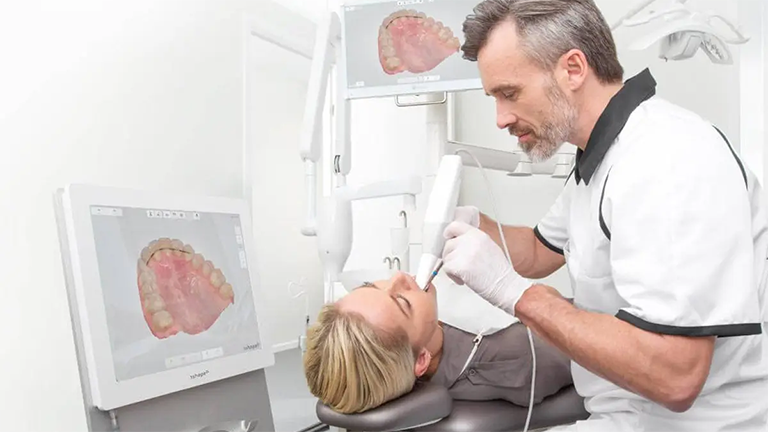
Step 1: Incoming Case Review & Digital Verification
The first checkpoint happens before production. We review the prescription against the files and supporting information received: Is the restoration clearly identified? Are tooth number, material, shade, and design instructions consistent? Are implant details present where relevant? Do the photographs and written notes agree?
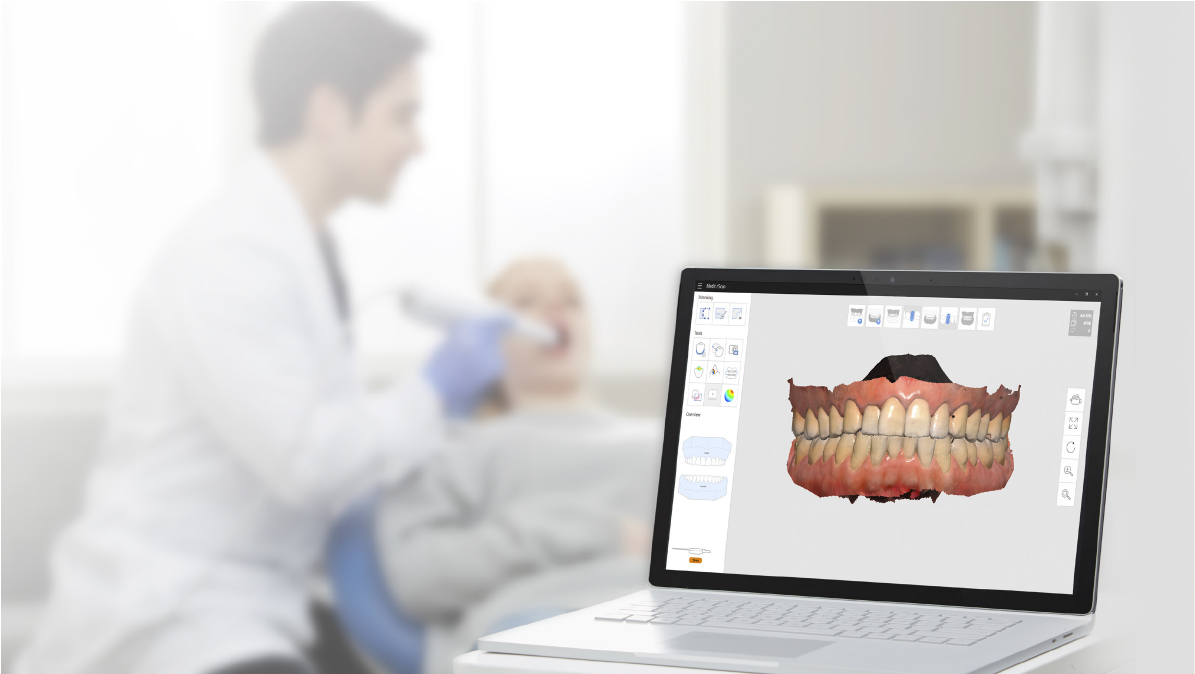
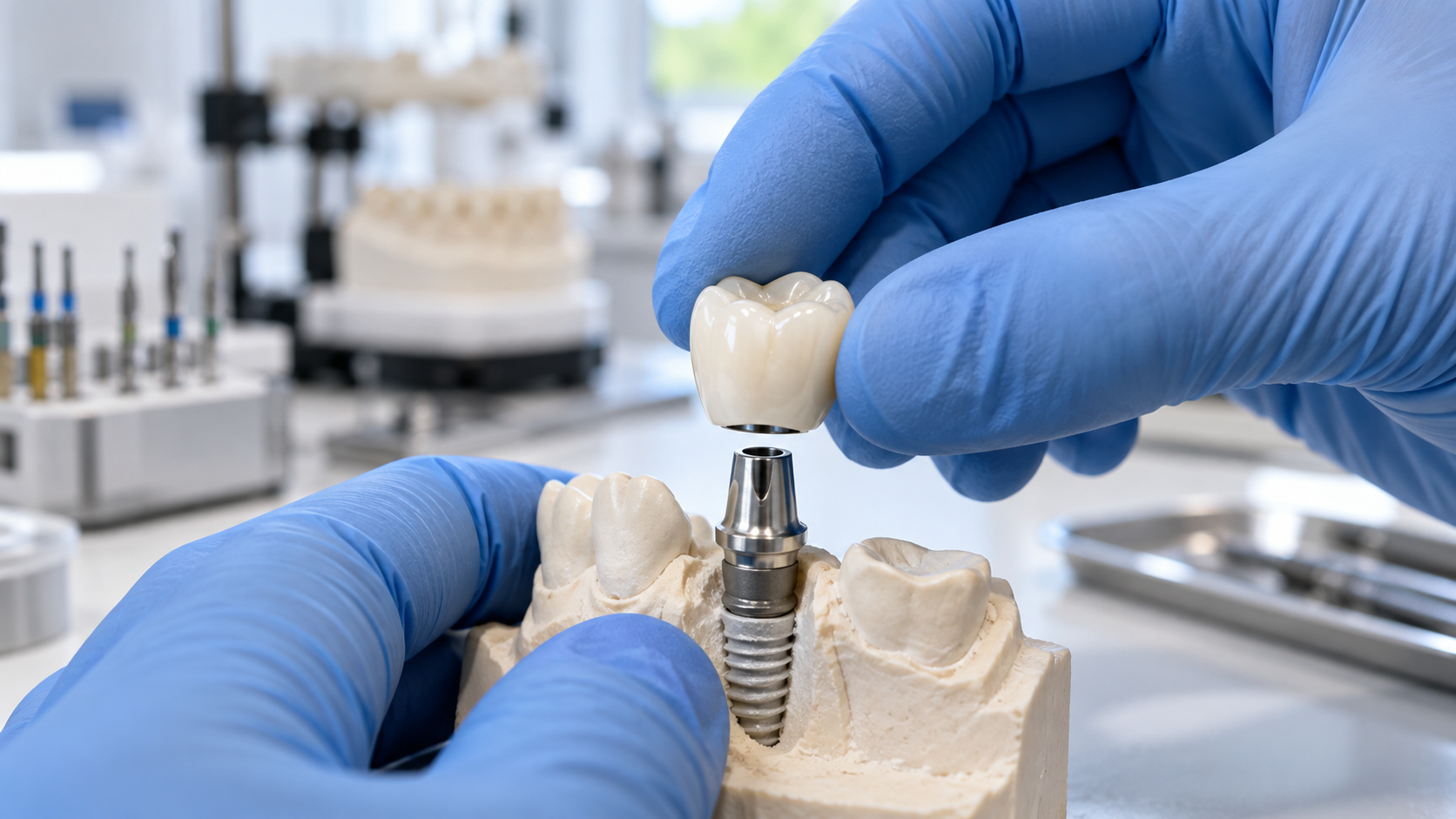
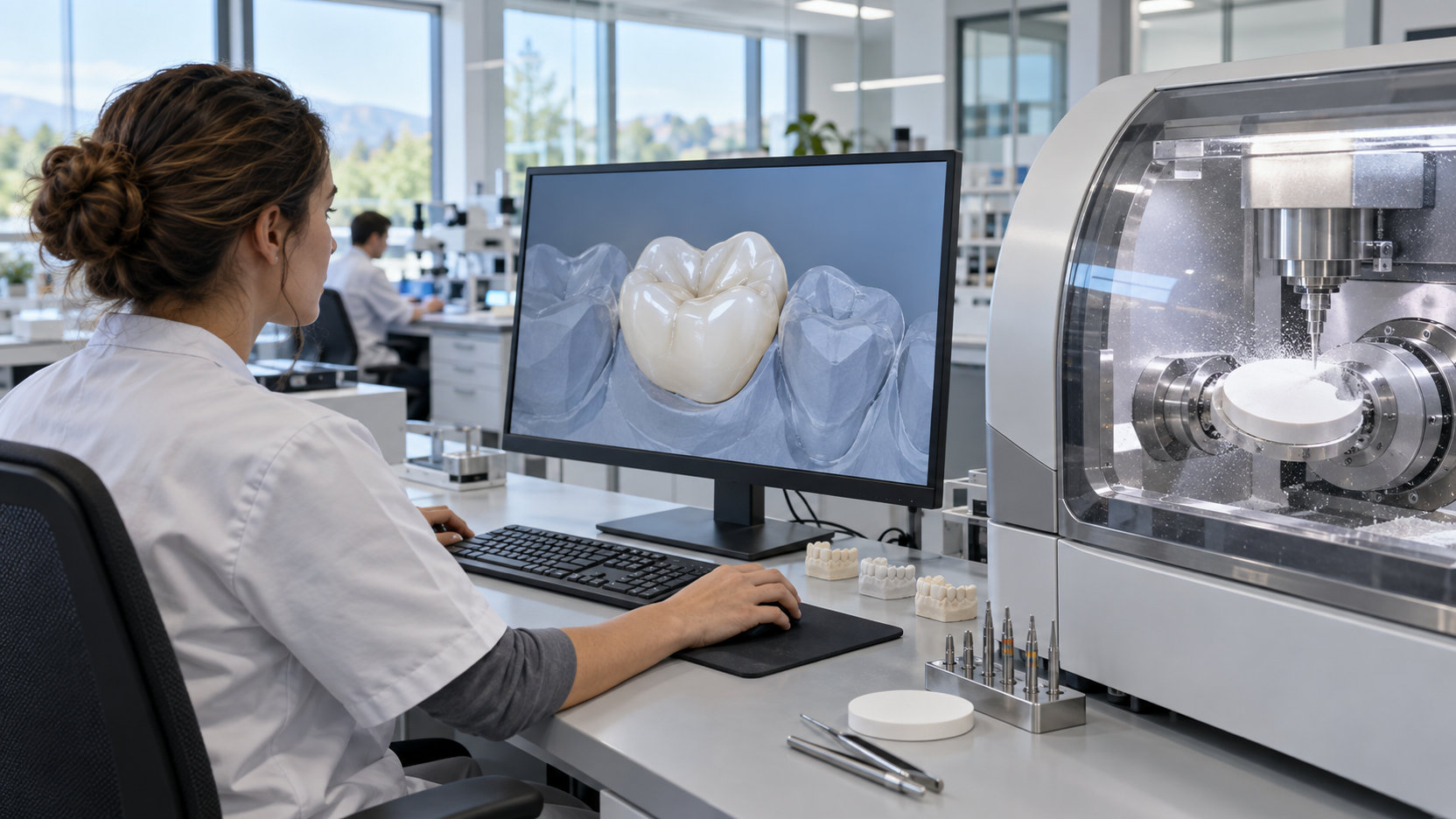
For a digital case, receiving a file is not the same as accepting it. We check that the STL or scan data can support the requested work — looking for missing areas, unclear margins, incomplete opposing data, unusable bite information, and file or case-ID mismatches. With dental implant prosthetics, this step also stops the production team from guessing when the prescription and submitted components do not tell one clear story.
If an instruction is ambiguous, we flag it to the dentist or laboratory before committing material. The message identifies the case, shows the questionable area where a visual helps, and asks one answerable question. The case stays at the review gate until the instruction is clear.
Step 2: Material Traceability & FDA-Approved Sourcing
Topway uses only FDA-approved materials. Material control begins when supplies enter the production environment: incoming inspection and identification are part of the quality system, not an afterthought.
At case level, traceability links each unit to its material batch. If a material question arises later, the case identity and batch record give a defined route for investigation and recall readiness rather than reliance on memory or handwritten shorthand.
The dentist's material choice must also stay attached to the correct case throughout production. For our crown and bridge restorations, a clear material instruction at intake follows the case through design, fabrication, and finishing. Traceability is not a certificate on a wall; it is continuity between the received material, the production record, and the shipped unit.
Step 3: In-Process Inspection During Fabrication
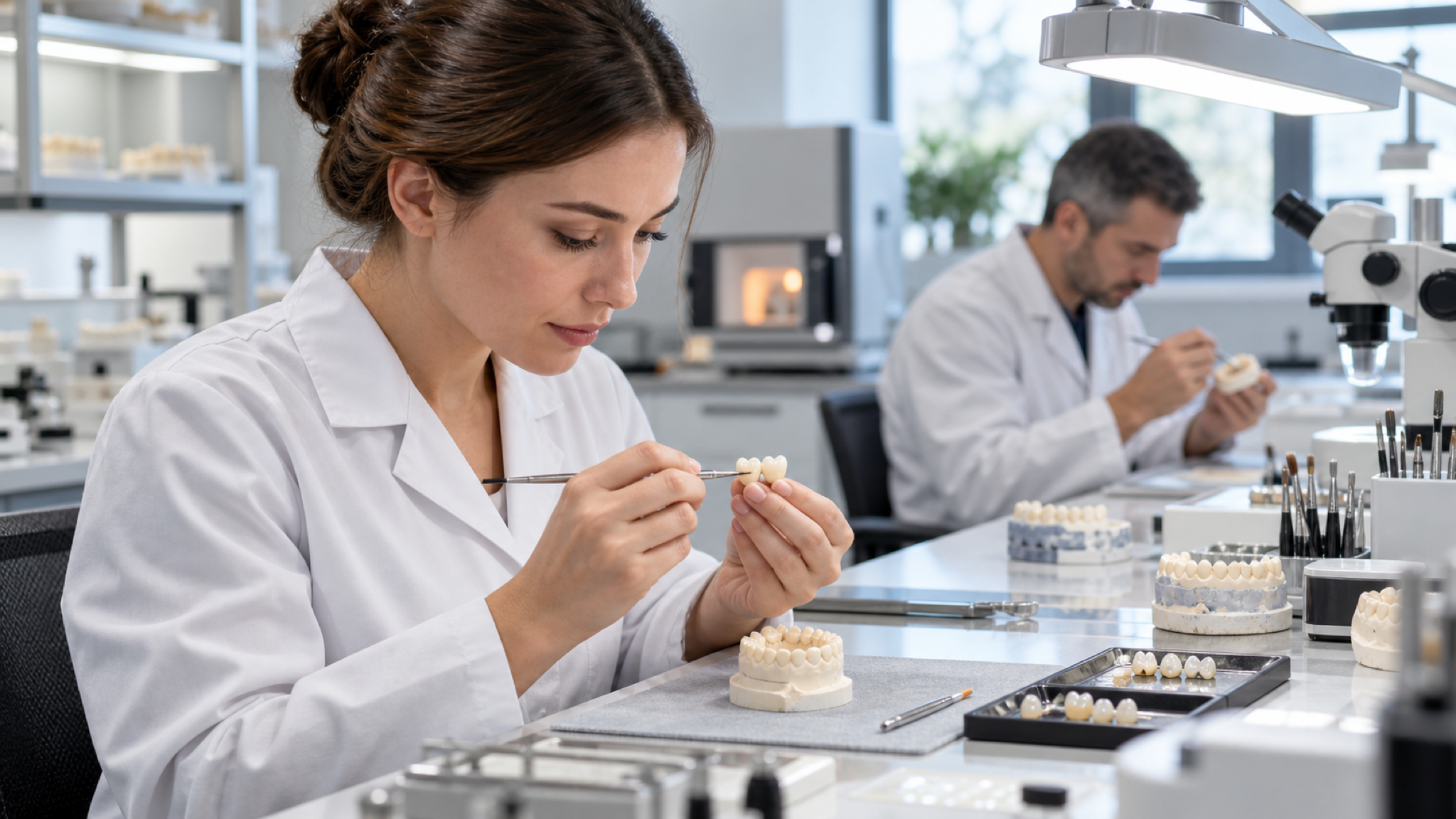
Waiting for final inspection concentrates too much risk at the end. We place checks at the relevant fabrication stages — wax-up, milling, layering, staining, depending on the restoration. The technician self-checks before the work leaves that stage; a supervisor then reviews it before the case advances.
Each check matches its stage. During design and fabrication, that means comparing the developing unit with the approved design and prescription, not judging it by appearance alone. During layering or staining, it means keeping the shade instruction and clinical references visible. The goal is to catch a deviation where it began instead of asking a final inspector to diagnose it after later processes have covered it.
This checkpoint also protects case identity. A correct restoration attached to the wrong prescription is still a failed case, so case ID, restoration type, material, shade, and production status travel together each time work changes hands. Supervisor sign-off records a visible decision: proceed, return for correction, or request clarification.
Step 4: Fit & Marginal Accuracy Check
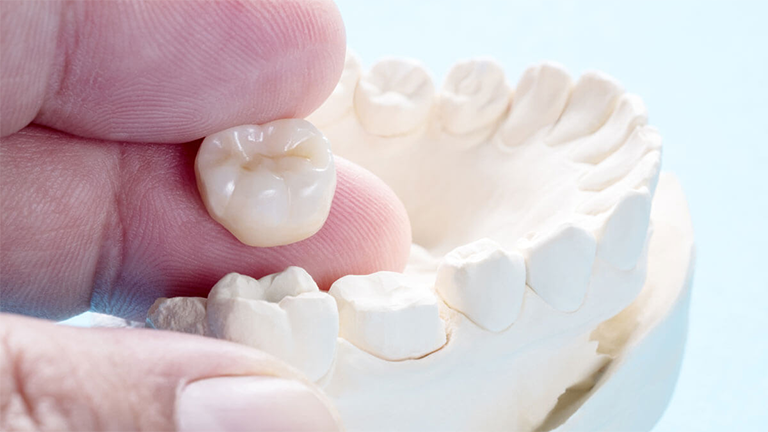
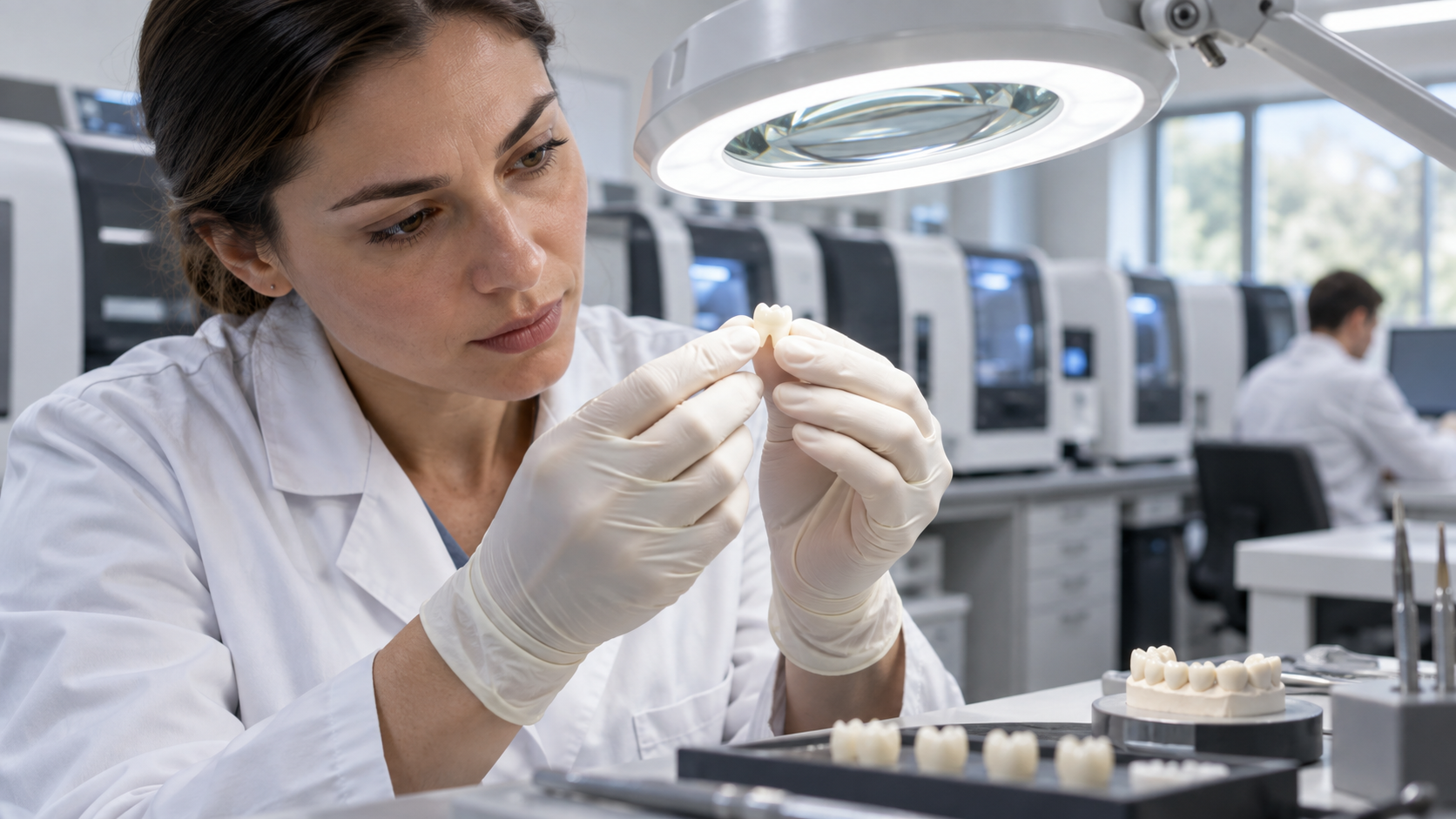
Fit inspection turns "looks right" into specific questions. On the model or die, we evaluate the marginal area, proximal contacts, and occlusion. An articulator check shows the restoration against the opposing arch rather than as an isolated unit; microscope inspection covers areas that should not pass on a quick glance.
Marginal accuracy gets particular attention because a unit that needs avoidable chairside correction has transferred laboratory work back to the practice. A heavy contact, an occlusal interference, or an unacceptable margin stops the unit here.
Each inspection result leads to an action. If the unit meets the case instruction, it proceeds. If adjustment can correct it without compromising the prescription, it returns to the relevant bench. If the issue traces back to incomplete clinical information, we ask before making an unsupported assumption.
Step 5: Shade Matching & Aesthetic Evaluation
We compare the restoration with the prescribed shade and the dentist's original photographs under controlled viewing conditions, including daylight and warm lighting, because a restoration should not be judged from one bench position under one light source.
Anterior cases get a broader review: surface texture and translucency are checked against the supplied references in addition to the requested shade. When a photograph and written prescription appear inconsistent, the case goes back for clarification rather than letting the finishing technician choose silently.
Aesthetic review follows the dimensional and fit checks; a convincing surface does not excuse a poor contact or margin, and a good fit does not excuse a visible result that ignores the instruction. Technical and aesthetic acceptance are separate questions, and both need an answer.
Step 6: Final QC Inspection Before Packaging
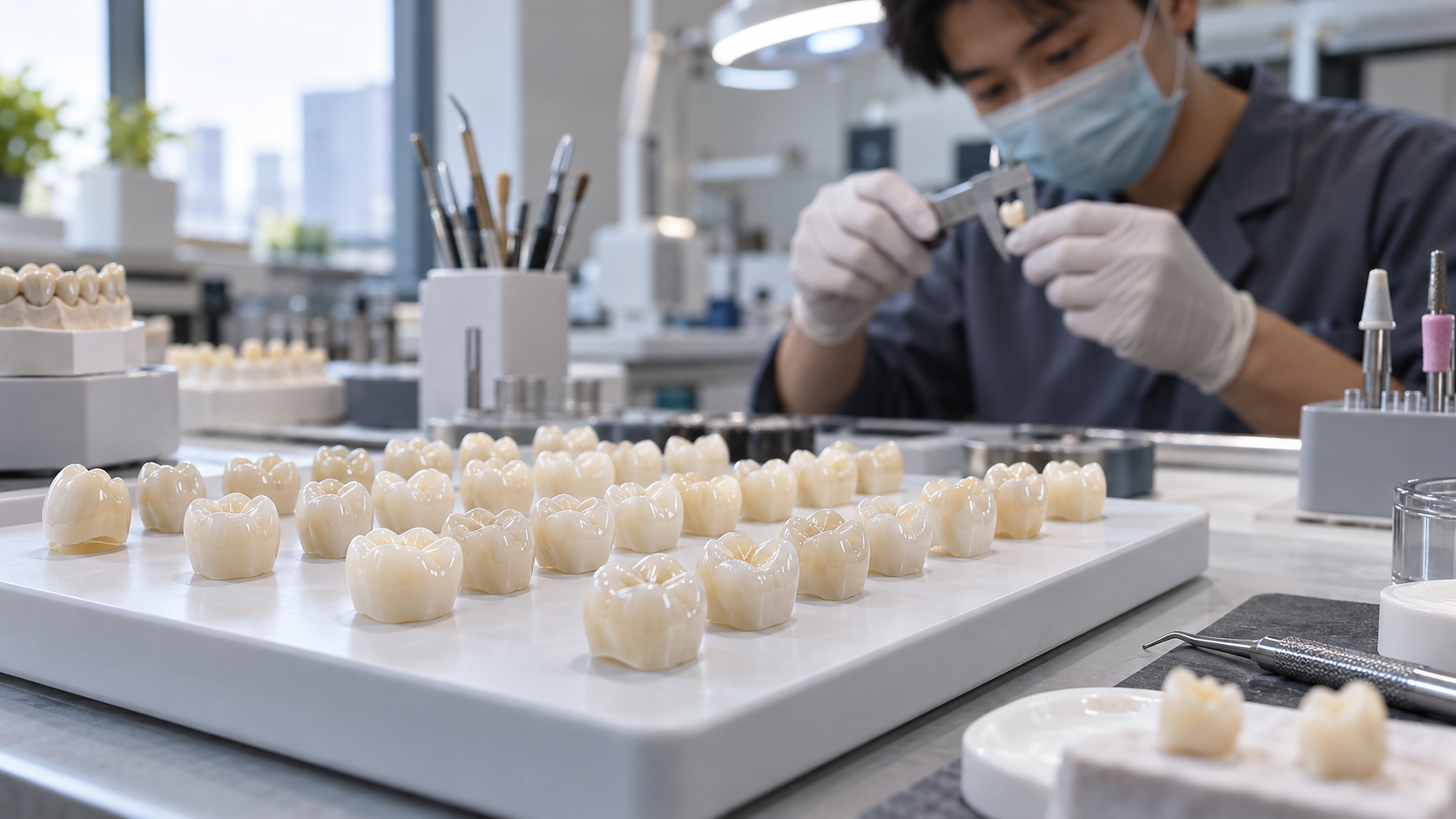
Final QC is performed by an inspector independent of the fabricating technician. The inspector approaches the unit as an acceptance decision, not as the person who spent hours producing it, and works through a checklist against the prescription and records: fit, shade, surface finish, occlusion, and cleanliness.
The checklist makes omissions visible and ensures a polished restoration is not released with the wrong case ID, an unresolved instruction, or incomplete documentation. The restoration and the case package are reviewed as one deliverable.
A failure at final QC does not become a shipping exception. The unit is pulled from dispatch and routed for rework — adjustment, return to an earlier stage, refabrication, or a question to the prescribing dentist. Only a unit that passes the applicable checks moves to packaging.
Step 7: Packaging, Documentation & Shipping QC
Quality control continues after the restoration itself has passed. Protective packaging keeps the unit and its components secure in international transit, and the packing team cross-checks case ID and shipping address before dispatch.
Documentation is matched to the case at this point. Depending on the case and request, the package may include material certificates, shade records, and compliance labels. The control that matters is correspondence: restoration, records, outer identification, and destination must all refer to the same case.
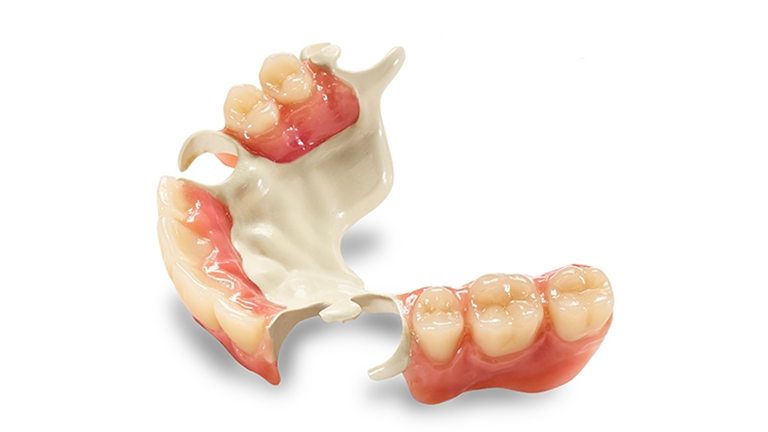
Physical protection differs by product. A fixed restoration, an implant case, and our removable restoration services do not have identical packing needs, but each gets packaging appropriate to what is shipped and a final identity check before it leaves our Shenzhen facility.
The Certifications Behind Our QC System
Certifications are useful when a customer knows exactly what the laboratory holds. Topway's quality and compliance credentials are:
- ISO 13485 and ISO 9001;
- FDA-registered contract manufacturer for Class I/II medical devices;
- CE certificate;
- Medical Device Production License of China;
- Class II Medical Device Product Registration Certificate, China FDA/NMPA; and
- High-tech Enterprise Certification.
We also use only FDA-approved materials. These facts matter for laboratory selection, but no credential proves that a particular margin was inspected or an ambiguous prescription was clarified — which is why we ask dentists to look at certification and the working QC pipeline together.
Topway began taking US dental laboratory outsourcing work in 2006–2010 and from 2010–2012 expanded to laboratories and clinics across the markets listed above. For the operational side of such a relationship, see the complete guide to dental lab outsourcing.
What Happens When Something Isn't Right: Our Remake Policy
No responsible laboratory should build its quality message on the claim that nothing ever goes wrong. What matters is whether a concern can be identified, traced, and resolved without argument about basic case facts.
To report an issue, send the case ID and a concise description of what you found — fit, contact, occlusion, shade, surface, damage, documentation, or another part of the instruction. Photographs, scans, or marked images help locate the concern. We review the feedback against the prescription and production record and determine whether adjustment or remake is appropriate.
We do not publish a remake-rate percentage, and we do not promise a fixed turnaround for every remake; complexity, cause, and available information differ case by case. We communicate the next action for the specific case, and the finding goes back to the relevant stage so the team can distinguish a production deviation from an intake, information, or handling issue.
Accountability means a visible decision path and never shipping work that has already failed an internal check. For pricing, including terms that may apply to a remake or adjustment, contact us for a current price list.
How to Evaluate Any Overseas Dental Lab's Quality Control
Evaluate evidence before moving a meaningful volume of cases. A focused trial case reveals more than a broad promise, provided you also watch how the laboratory receives information and responds to questions.
| Area to evaluate | Question to ask | Warning sign |
|---|---|---|
| Quality system | Which certifications does the laboratory currently hold? | No ISO certification or unclear answers about the certified entity |
| Case intake | What happens when a scan, prescription, shade, or component instruction is unclear? | Production begins without clarification |
| Materials | How are material approval and batch traceability recorded? | No traceability from a unit to its material batch |
| Inspection | Which checks occur during production, and who performs final QC? | Quality depends only on the fabricating technician's final glance |
| Nonconformance | How are failed units held, reworked, and released? | No defined remake or rework process |
| Communication | How should the dentist submit a concern and supporting evidence? | No clear case-ID-based route for feedback |
For a trial, send a case with complete records and note how the laboratory confirms receipt, handles questions, and returns documentation. Then evaluate the restoration with the same clinical criteria you apply to existing partners. We are willing to be assessed against these questions because they keep the discussion on observable controls.
To discuss a trial case or request our current price list, email [email protected] or call +86 153 2504 5142.
Frequently Asked Questions
How does a Chinese dental lab ensure consistent quality across high volumes?
Consistency comes from repeatable checkpoints, not volume claims. In our 5,000-square-meter Shenzhen facility, more than 300 employees work within a process that separates intake review, material control, in-process checks, fit and aesthetic evaluation, independent final QC, and shipping verification. A case advances after the relevant check, not because the next stage is ready.
What certifications should I look for when choosing an overseas dental lab?
Ask for the exact credentials and confirm which entity they cover. Topway holds ISO 13485, ISO 9001, a CE certificate, the Medical Device Production License of China, and the Class II Medical Device Product Registration Certificate (China FDA/NMPA), and is an FDA-registered contract manufacturer for Class I/II medical devices. Evaluate certifications alongside the laboratory's case-level controls.
What is the remake rate at a quality-focused Chinese dental lab?
We do not publish a specific remake-rate percentage, and we will not invent one. Ask instead how the laboratory defines a remake, records the reason, communicates the remedy, and feeds the finding back into production. A transparent response to a specific case is more useful than a percentage without a shared definition.
How are FDA-approved materials verified in an outsourced dental lab?
Topway uses only FDA-approved materials. Material identity is checked at incoming control, and lot-level traceability links each unit to its material batch. Ask any laboratory how that link is retained through production and matched with the finished case.
Can I request photos or videos of my case during production?
Yes — ask when submitting the prescription so the request is attached to the case. Identify the stage or feature you need to review, such as a design question, shade reference, or visible finish, and we will confirm what can be documented for that case before production advances.
Top Posts

Recent Posts


How can we help you today?
We believe in providing the best possible care to all our existing patients and welcome new patients to sample.
