


Inside a Digital Dental Lab: Full CAD/CAM Workflow
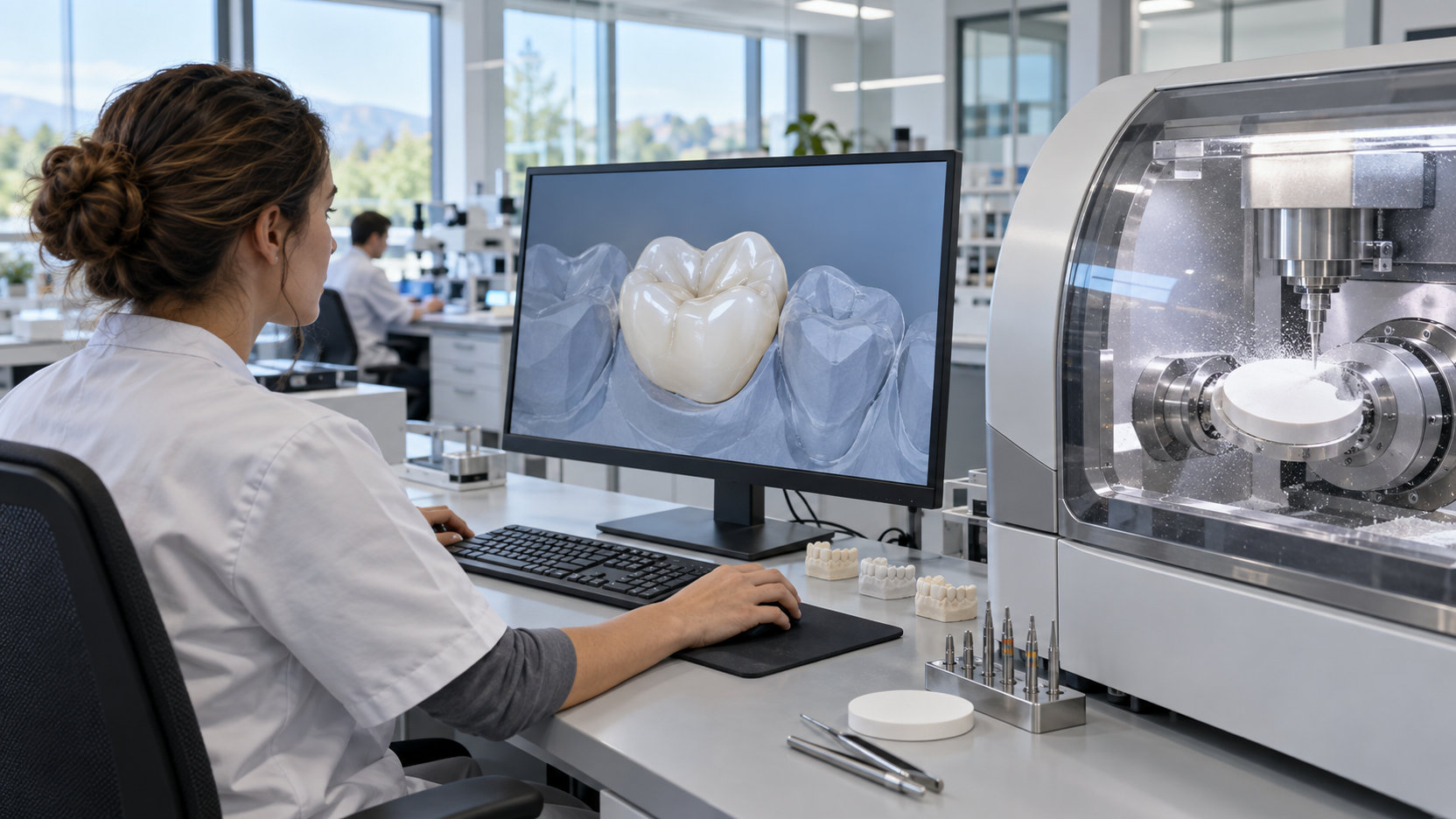
A digital dental lab replaces the plaster-and-wax handoffs of a traditional lab with a connected digital chain: a scan comes in as a file, a technician designs the restoration on screen, machines mill or print it, and skilled hands finish it. The result is a process that can be documented, repeated, and checked at every stage.
We are Topway Dental Lab, an outsourcing dental lab and FDA-registered contract manufacturer founded in 2006 in Xili, Shenzhen, and now operating from a 5,000-square-meter facility in Bao'an District, Shenzhen, with over 300 employees. We serve dental practices and laboratories overseas, and this guide walks through how a case moves through our lab — from scan intake to dispatch — so you can see exactly what you are buying when you outsource digital work.
What Makes a Dental Lab a Digital Dental Lab?
The label is not about owning a scanner or a milling machine. A genuinely digital dental lab runs an end-to-end digital chain: the case arrives as data, stays as data through design and manufacturing, and only becomes a physical object at the last responsible moment. In a traditional workflow, information degrades at each analog handoff — impression to model, model to wax-up, wax-up to casting. In a digital workflow, the same design file drives every downstream step.
The three technology pillars
Every digital dental lab workflow rests on three pillars:
- Scanning — capturing the preparation, opposing arch, and bite as a 3D dataset, either from your intraoral scanner or from a desktop scan of a physical impression.
- CAD design — a technician builds the restoration digitally using anatomy libraries, margin marking, and occlusal contact simulation.
- CAM manufacturing — the approved design is milled from a disc or block, or 3D printed, then sintered and hand-finished.
Why digital delivers more consistent results
Hand-layered workflows depend heavily on which technician touches the case on which day. A digital chain standardizes the variables that cause most remakes: margins are marked and verified on screen, contacts and occlusion are simulated before anything is manufactured, and a clinician's documented preferences can be applied to every case in a batch. The craftsmanship still matters — we cover that below — but it is applied on top of a repeatable digital foundation rather than substituting for one.
Scanners & Digital Impression Intake
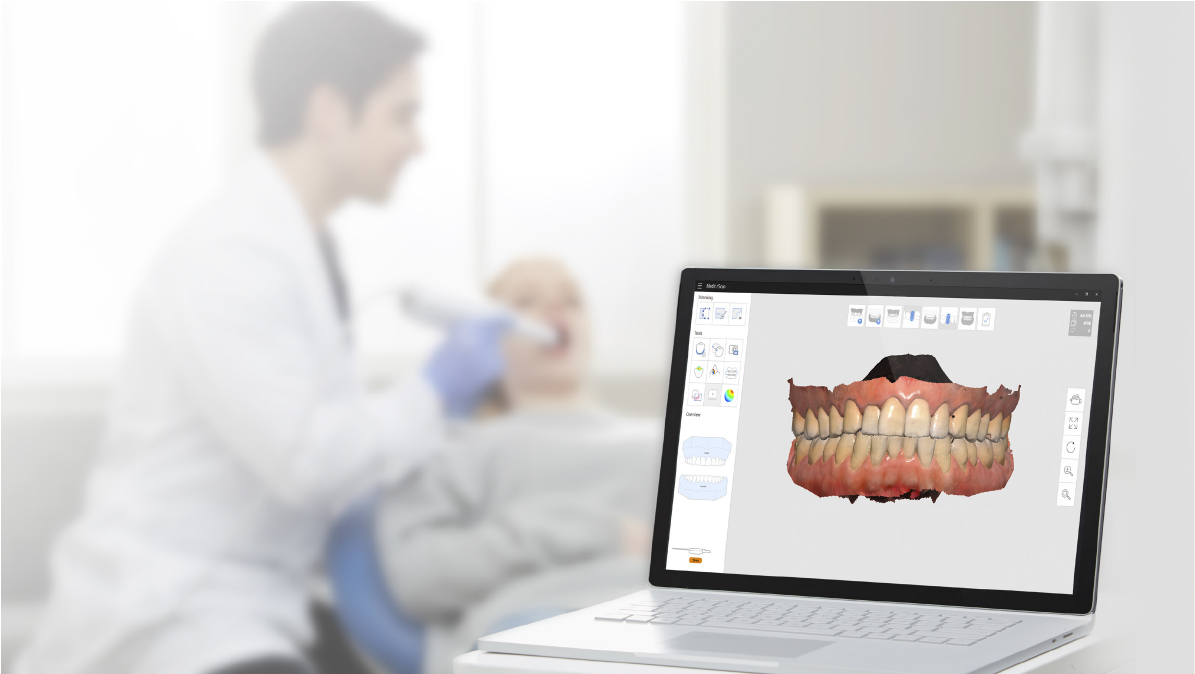
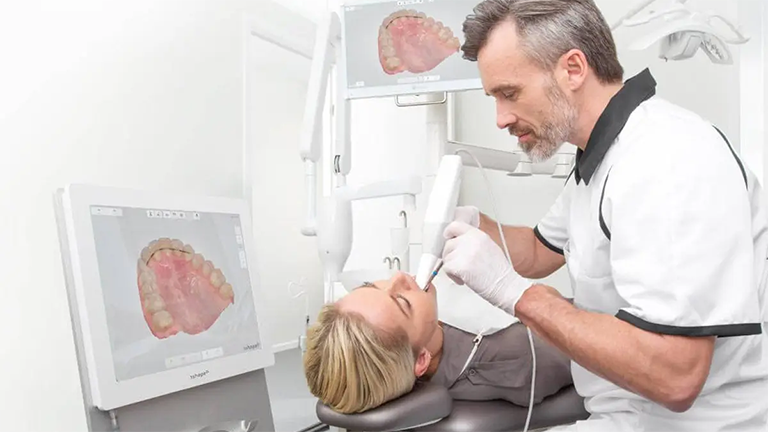
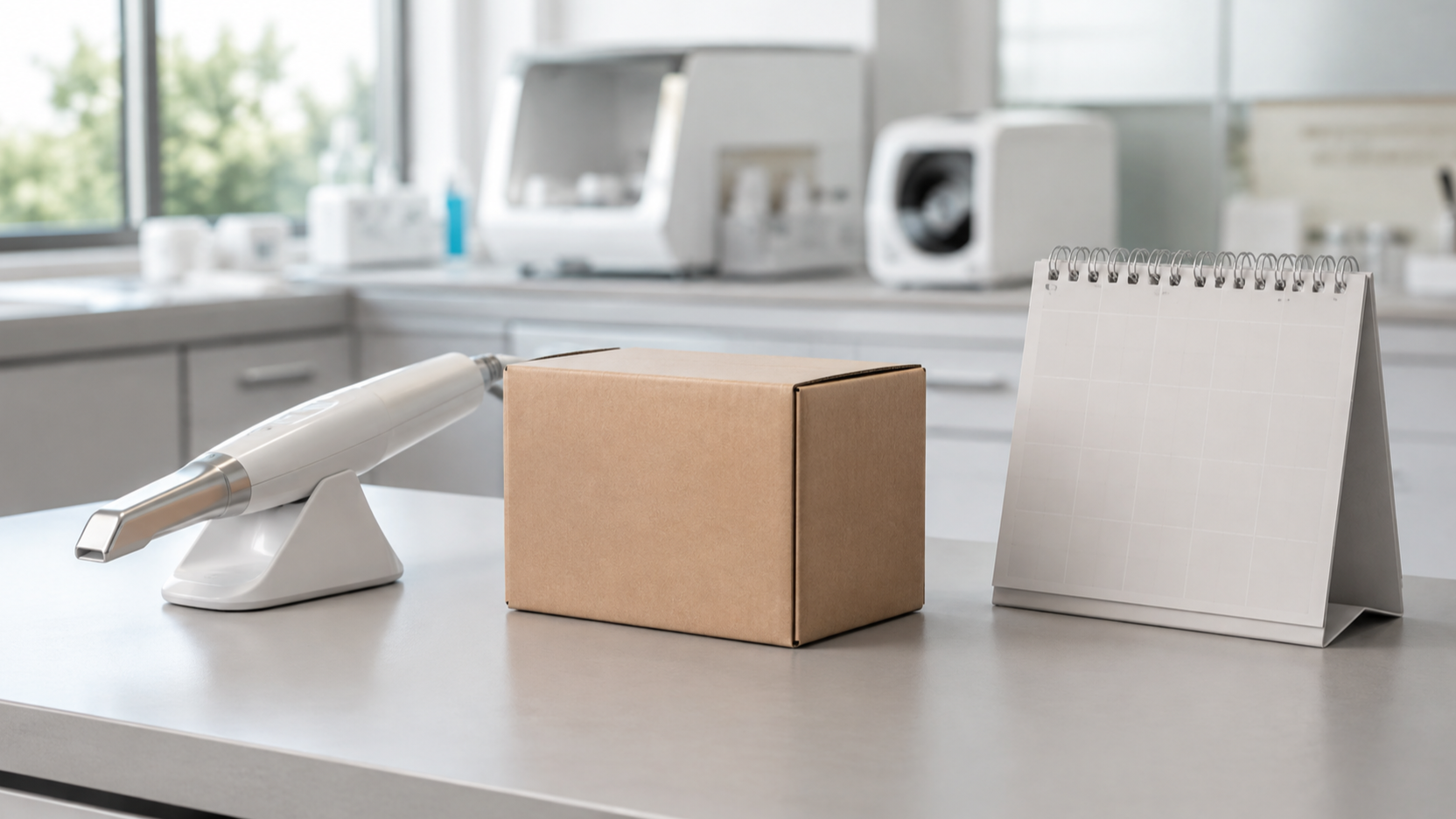
Cases reach a digital dental lab in one of two ways: as digital impression files exported from an intraoral scanner, or as physical PVS impressions that the lab digitizes on a desktop scanner. Either route ends in the same place — a 3D dataset ready for CAD design.
Open files and scanner compatibility
The industry standard for exchanging digital impressions is the open STL file, with PLY files adding color and texture data. Most major intraoral scanner systems can export open files or connect to a receiving lab through their platform. As an intraoral scanner dental lab, we accept open STL and PLY exports, so you are not locked into a single scanner ecosystem to work with us. If your scanner operates on a closed platform, the connection is set up once and reused for every subsequent case.
Still using conventional impressions for some cases? Ship the PVS impression and we digitize it with a desktop scanner on arrival — the case then joins the same digital workflow as a scanned case.
What happens at intake
When a case file arrives, it is reviewed before design begins: the prescription, preparation, opposing arch, bite record, and shade instructions are checked, and anything unclear — a doubtful margin, a missing bite — is flagged back to the prescribing dentist immediately rather than discovered mid-production. For the clinic-side view of this handoff, see our guide on how to send digital impressions to our lab.
CAD Design: From Digital Scan to Restoration Blueprint
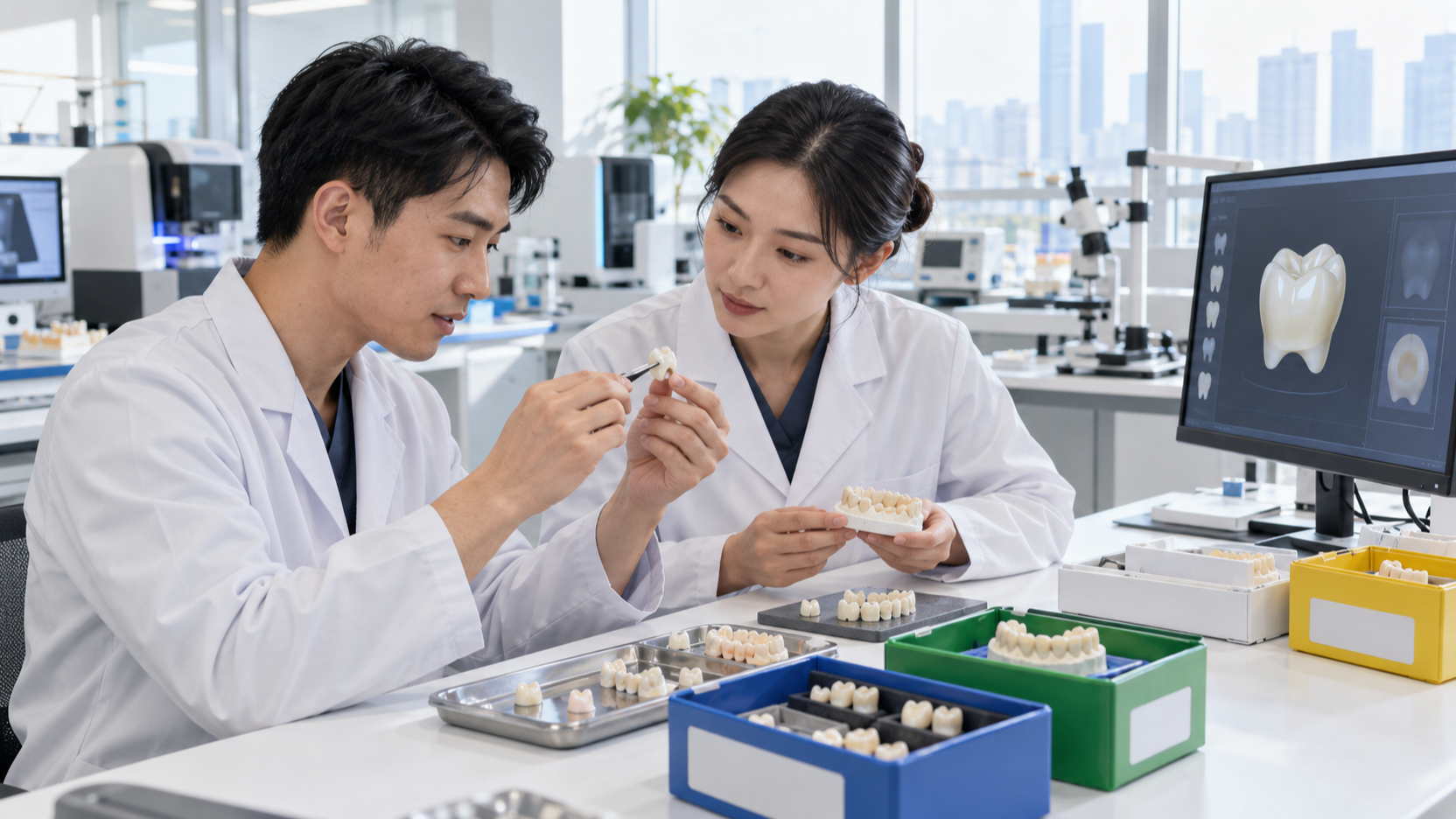
CAD design is where a CAD/CAM dental lab earns its consistency. A trained technician imports the scan, marks the margin line, sets the path of insertion, and builds the restoration using digital anatomy libraries — starting from natural tooth morphology rather than sculpting from nothing. Occlusal contacts and interproximal contacts are simulated on screen against the opposing arch, so occlusion problems are caught in the design file, not in the patient's mouth.
The design review loop
For cases where you want input before manufacturing — large cases, implant work, esthetic zones — the design can be shared as a preview for your review. A quick approval or a specific comment ("open the distal contact slightly," "reduce the buccal contour") is applied to the design file, and only the approved version is released to manufacturing. This loop replaces the traditional lab's opaque wait between impression and finished crown.
Consistency at outsourcing volume
CAD is also what makes high-volume outsourcing viable. Your preferences — contact tightness, occlusal scheme, pontic design — are documented once and applied to every case you send, regardless of which technician sits at the workstation. That standardization is the core answer to the most common outsourcing worry: "will case fifty look like case one?" See our digital dental lab crowns page for the restorations this workflow produces.
Milling Centers: CNC Machining for Zirconia, PMMA & Wax
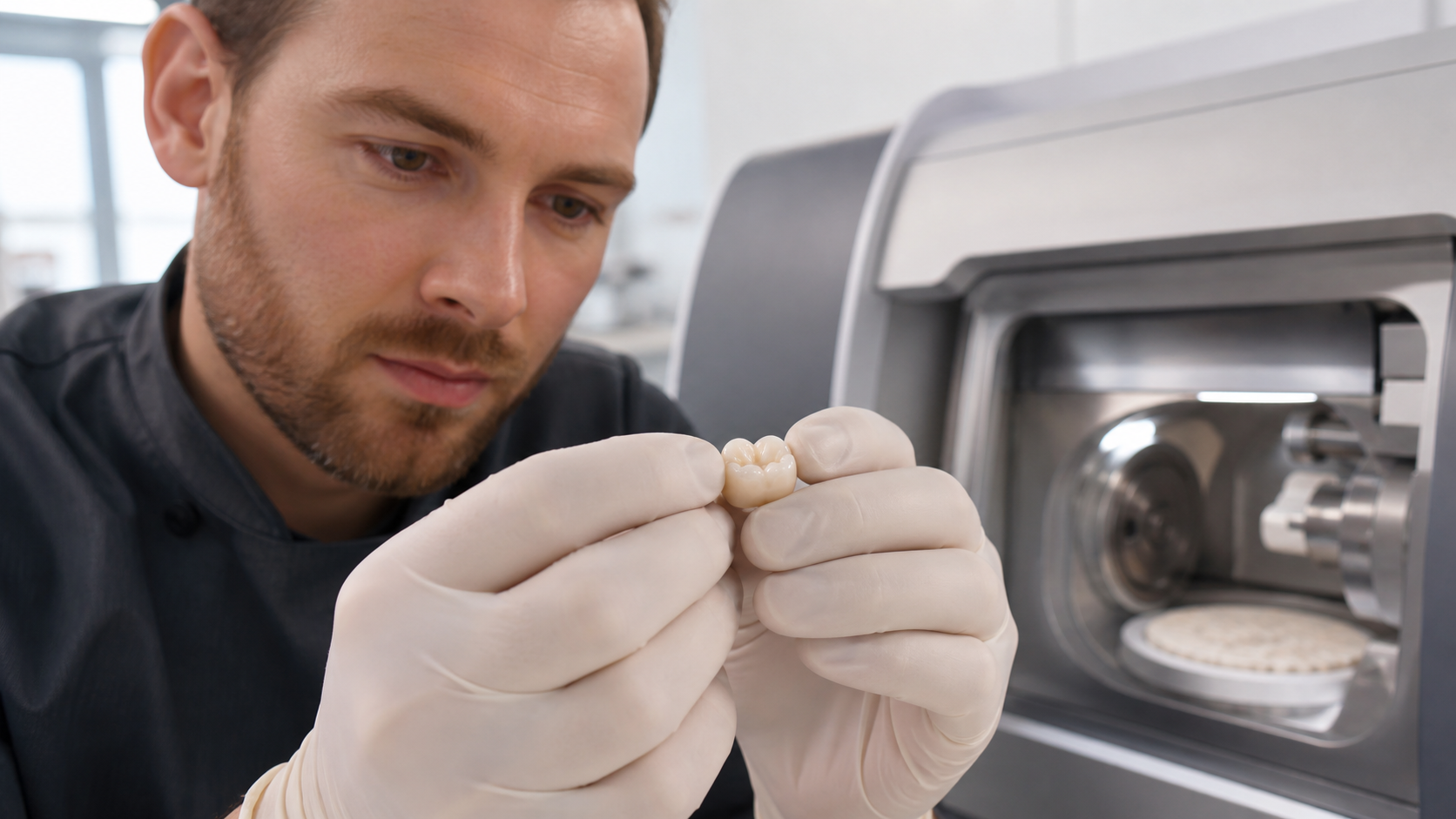
Milling is the workhorse of CAM manufacturing. In a production dental milling center, 5-axis milling machines cut restorations from discs and blocks: dry milling for zirconia in its soft pre-sintered state, wet milling for materials such as glass-ceramics that need coolant. The five axes let the machine reach undercuts and complex geometries — full-arch frameworks, angled screw channels — that simpler 3-axis units cannot.
Materials matched to indication
| Material | Typical use |
|---|---|
| Full-contour zirconia | Monolithic crowns and bridges where strength is the priority; stained and glazed rather than layered. |
| Layered zirconia | A zirconia substructure with hand-layered porcelain in the esthetic zone — digital strength under artisan esthetics. |
| PMMA | Milled provisionals and long-term temporaries, including prototype restorations for evaluating a design in the mouth. |
| Wax | Milled wax patterns for press or casting workflows, such as e.max press-over techniques. |
Choosing among zirconia types is its own decision — our guide to zirconia crown grades and materials covers translucency and strength trade-offs in detail, and our crown and bridge restorations category shows the full range of indications.
Production-scale milling vs. chairside units
A chairside mill produces one restoration at a time from a limited material menu. A production milling center runs batches of cases across a full library of disc materials and shades, with machines maintained and calibrated as production equipment. For a practice, the practical difference is simple: a milling center absorbs your whole case mix — singles, bridges, full arches, provisionals — without you owning, staffing, or maintaining any of the equipment.
3D Printing in the Digital Dental Lab
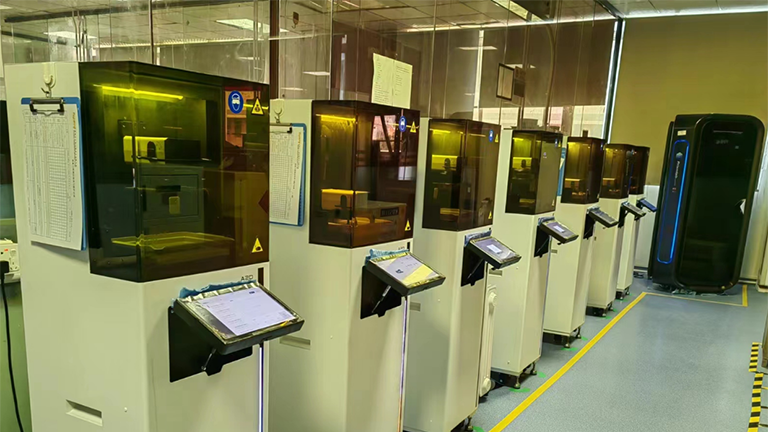
Milling removes material; printing adds it. Dental lab 3D printing builds items layer by layer from light-cured resins, and it has taken over the categories where milling is slow or wasteful:
- Surgical guides for implant placement, printed from the implant plan.
- Models and try-ins — working models from digital impressions, and try-in setups that let the patient approve a design before final manufacturing.
- Removable frameworks — printed patterns for partial denture frameworks that feed into casting workflows.
- Temporary restorations and other interim appliances.
Resins and accuracy
Each application uses a resin formulated for it — model resins, guide resins, castable resins — and each has its own post-processing sequence of washing and light-curing that the finished part depends on. We use only FDA-approved materials, which matters most in exactly this category, where the printed item may sit in a patient's mouth.
How printing shortens turnaround
Printing compresses the steps that used to require physical shipping and manual model work. An implant case can go from planning to printed surgical guide without a stone model ever existing; an orthodontic or try-in workflow can produce a full set of models in one print run. For complex cases — implant planning especially — that is where a digital lab's schedule advantage is largest. Our dental implant restorations range is where most of these printed components enter the workflow.
Sintering, Staining & Finishing: Where Digital Meets Artisan
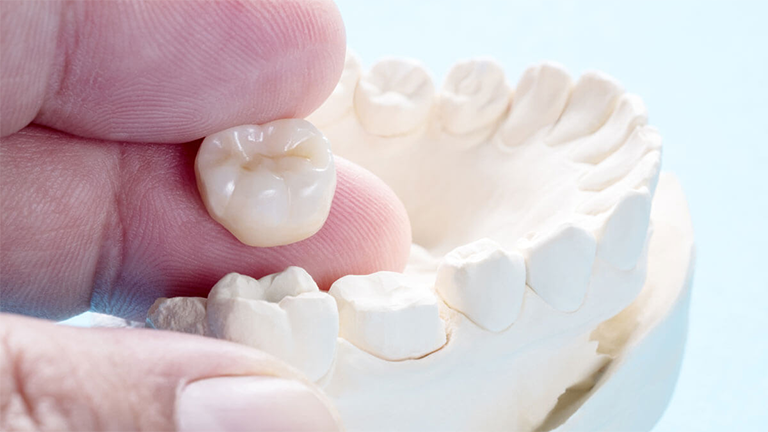
A milled zirconia crown is not finished when it leaves the machine. Zirconia is milled oversized in a soft, chalk-like pre-sintered state, then sintered in a furnace, where it shrinks to final dimensions and develops its full strength. The design software compensates for that shrinkage in advance — one more reason the digital chain matters: the sintered crown fits because the enlargement was calculated, not estimated.
The human craftsmanship layer
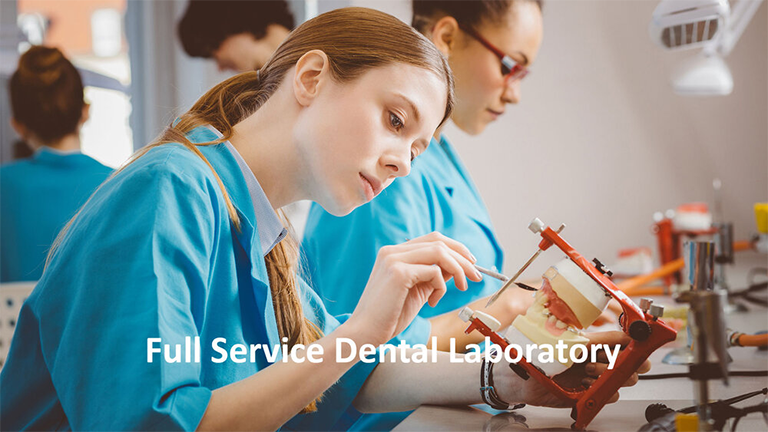
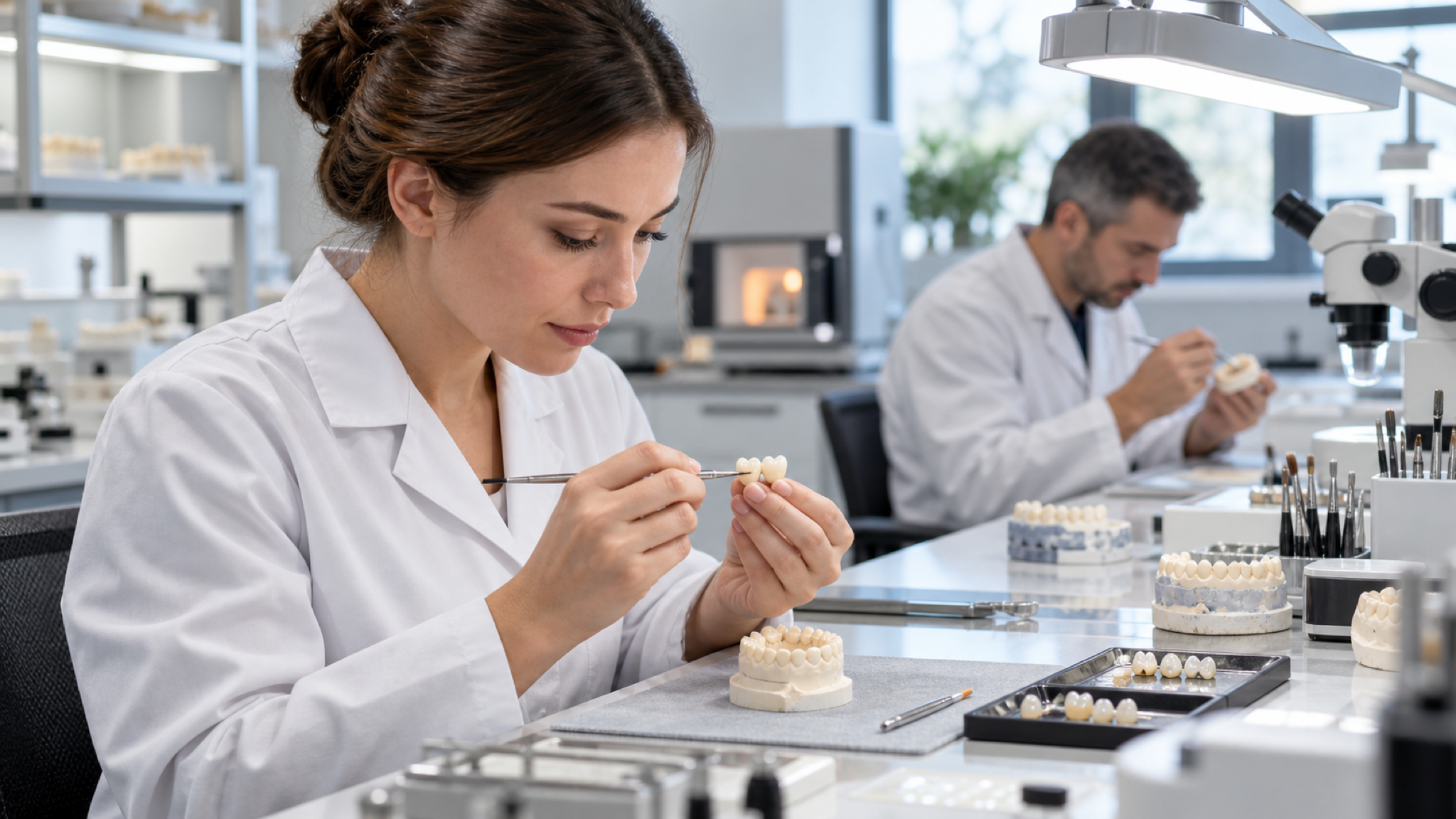
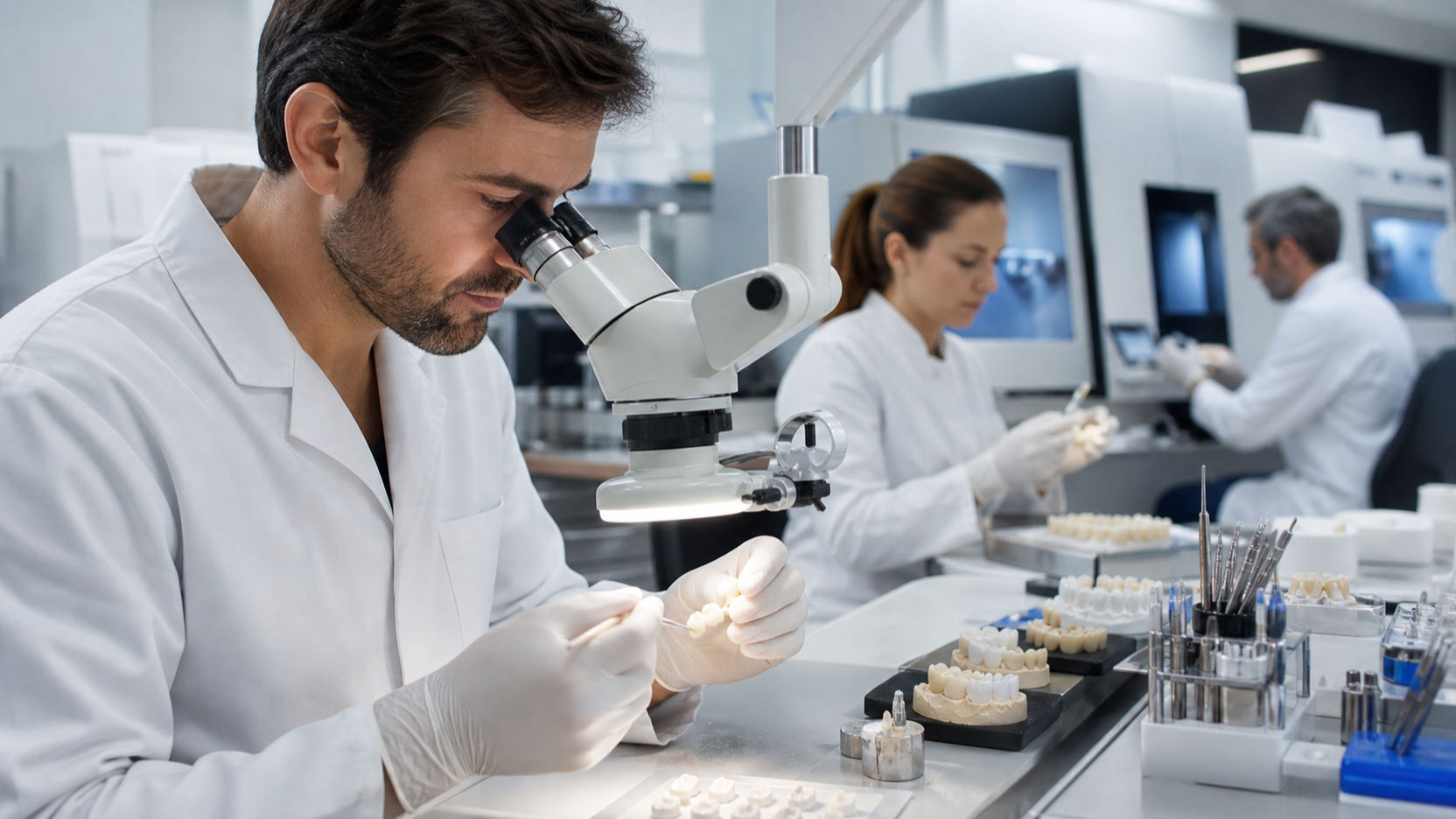
After sintering, the work becomes artisan. Technicians stain and characterize the restoration to the prescribed shade, layer porcelain where the case calls for it, adjust contours and contacts against the model, and glaze and polish the final surface. This is the layer no machine replaces, and it is where a lab's technician bench depth shows — the digital chain guarantees the fit and the anatomy; the finishing bench delivers the esthetics.
Quality checkpoints before release
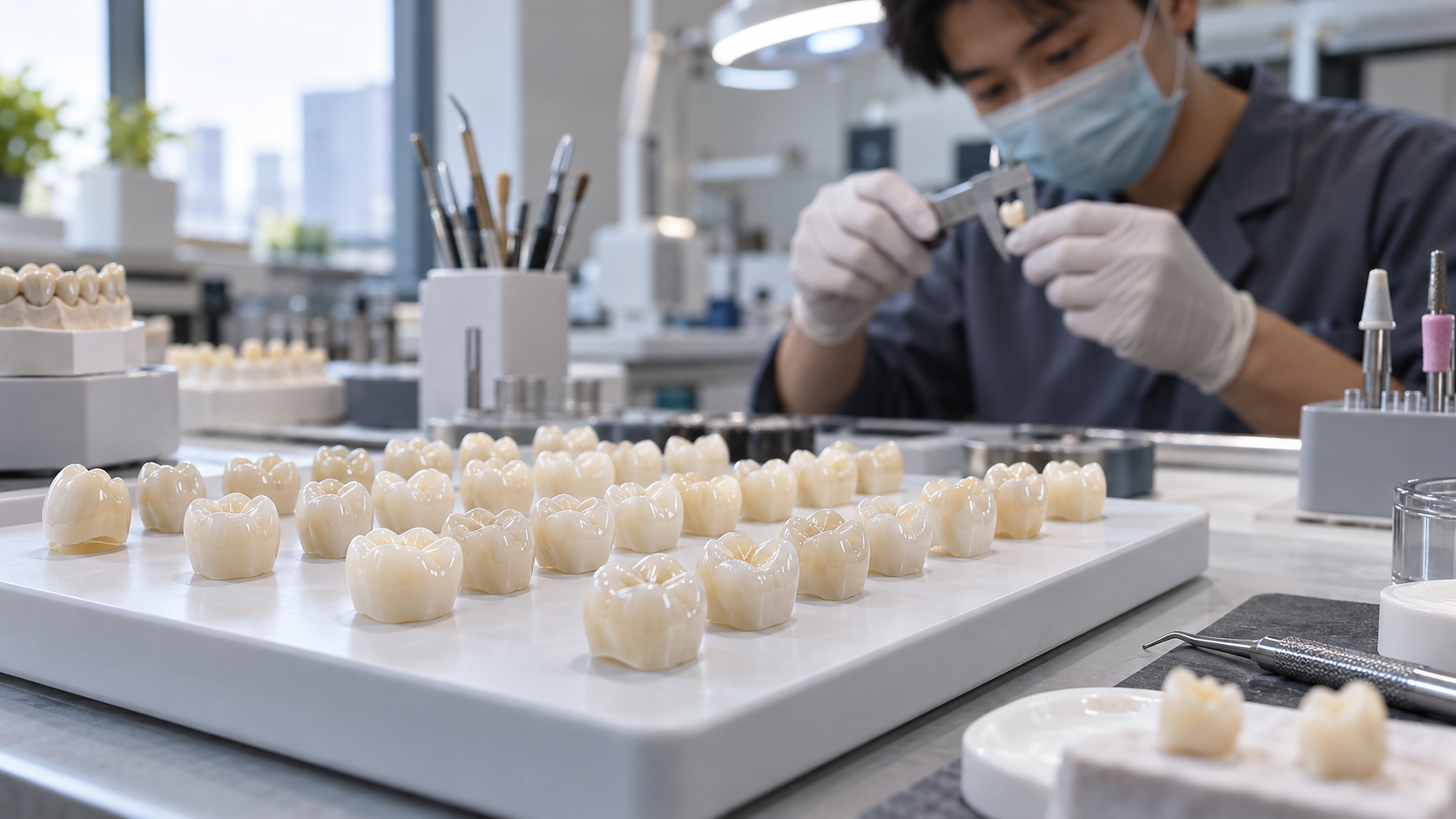
Between digital output and dispatch, each restoration passes through inspection: fit on the model, contacts, occlusion, margins, shade, and surface finish, checked against the original prescription. We document this separately in our 7-step quality control process, which is worth reading if release criteria are part of how you evaluate a lab.
Digital Workflow End to End: How a Case Moves Through Our Lab
Put together, here is the internal journey of a case through our 5,000-square-meter facility and team of over 300:
| Stage | What happens |
|---|---|
| 1. Receipt & review | Files and prescription are checked; unclear margins or missing records are queried the same day. |
| 2. CAD design | A technician designs the restoration; your documented preferences are applied. |
| 3. Design review (when requested) | You preview and approve the design, or request changes. |
| 4. Manufacturing | The approved design is milled or printed in the prescribed material. |
| 5. Sintering & finishing | Zirconia is sintered; the restoration is stained, layered where prescribed, glazed, and polished. |
| 6. QC & dispatch | Final inspection against the prescription, then packing and international shipping. |
Total time is the lab schedule plus international transport, so plan patient appointments against the delivery date, not the production date. Our guide to overseas lab turnaround times breaks down how to build that into your booking. One planning note: since 2022 we have run special production scheduling arrangements for the Chinese New Year period, so cases that overlap those weeks are scheduled rather than simply delayed — flag them early and we will confirm dates.
Benefits of Outsourcing to a Digital Dental Lab in China
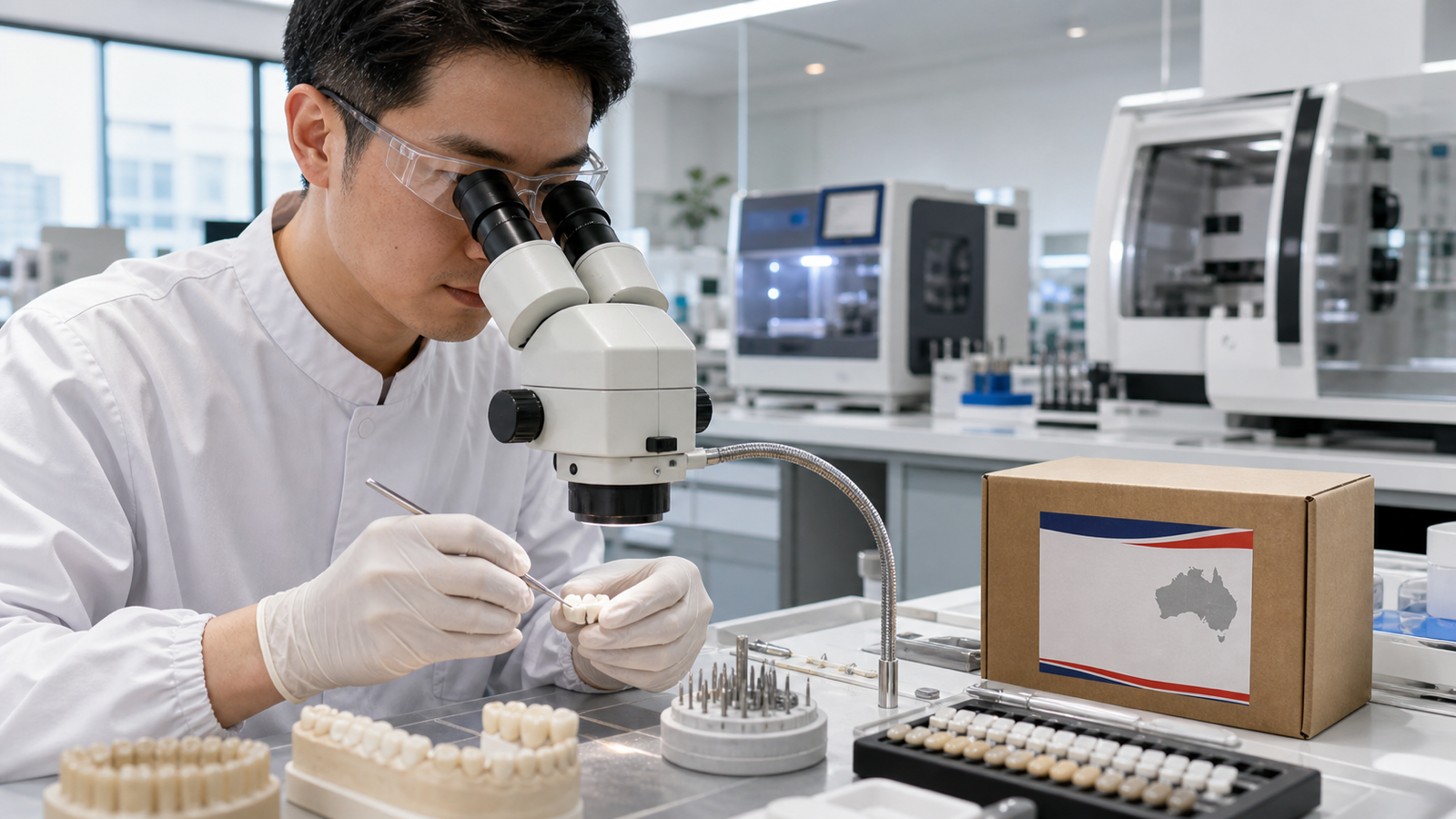
We have worked with overseas clients since our founding, expanding from 2010 into markets including the United States, United Kingdom, Germany, France, Canada, Australia, New Zealand, Israel, and Brazil. Digital dentistry outsourcing works because the digital chain travels well: a file crosses the world instantly, and only the finished restoration needs shipping.
Investment scale
Production-grade milling machines, printers, sintering furnaces, and the CAD seats to feed them represent an investment that a small local lab spreads across a small caseload. A lab with over 300 employees spreads it across thousands of cases — which is why an outsourcing lab can run equipment and dedicated specialist teams that would never pay for themselves in a ten-person lab, and pass the difference through as pricing.
Consistency through standardization
Digital standardization attacks the main quality risk of outsourcing: technician variability. Documented preferences, simulated occlusion, and on-screen margin verification mean your fiftieth case is built to the same recorded standard as your first, and a design preview gives you a checkpoint before anything is manufactured.
Certified for overseas markets
We are an FDA-registered contract manufacturer for Class I/II medical devices, hold a CE certificate, and are certified to ISO 13485 and ISO 9001. We also hold the Medical Device Production License of China and the NMPA Class II Medical Device Product Registration Certificate, and we use only FDA-approved materials. On cost, the advantage is real but case-dependent — contact us for a current price list and compare it against your local lab fees for your actual case mix. Our complete guide to dental lab outsourcing covers the commercial side of the decision in depth.
How to Evaluate a Digital Dental Lab Partner
Whether you evaluate us or anyone else, the same short list of questions separates a genuine digital lab from a lab with a scanner in the corner:
- Do you accept open STL/PLY files, and can you connect to my scanner platform?
- What equipment covers milling, printing, sintering, and finishing — and which route would my typical cases take?
- Is a design review available, and how do I approve or comment on a design?
- Which materials do you stock for my indications, and are they FDA-approved?
- What certifications do you hold — FDA registration and ISO 13485 at minimum?
- What is the committed door-to-door turnaround, including shipping?
Two answers should end the conversation: a lab that cannot accept open STL files, and a lab that cannot show FDA or ISO credentials. The first locks you into their ecosystem; the second is a compliance risk you would be importing into your practice.
De-risk with a trial run
You do not need to move your caseload to find out how a lab performs. Send two or three representative cases with clearly documented preferences, review the design previews, and judge the finished work against your prescription. Our product lines — Crown & Bridge, Dental Implant, Removable Restoration, Precision Attachment, and Orthodontics — cover the full outsourcing spectrum. Email [email protected] with your first cases or to request a current price list.
FAQs About Digital Dental Labs
What equipment does a digital dental lab use?
The core stack is desktop scanners for physical impressions, CAD design workstations, 5-axis milling machines for zirconia, PMMA, and wax, resin 3D printers for guides, models, and frameworks, sintering furnaces for zirconia, and a finishing bench for staining, layering, and glazing.
Can a digital dental lab work with any intraoral scanner?
A lab that accepts open STL and PLY files can work with any scanner that exports them, which covers the major systems. We accept open files, and closed-platform scanners can be connected through the scanner's own lab-connection service — set up once, then reused for every case.
How does 3D printing improve dental lab turnaround times?
Printing removes the physical-model bottleneck. Surgical guides print directly from the implant plan, models print directly from digital impressions, and multiple items print in a single run — so complex cases skip the shipping and manual model work that used to add days.
Is a digital dental lab more accurate than a traditional lab?
The digital chain removes the places where traditional workflows lose accuracy: impression distortion, model damage, and hand-transfer of margins. Margins are verified on screen, occlusion is simulated before manufacturing, and sintering shrinkage is calculated by software. The fairest test is your own trial cases judged against the same prescription.
What certifications should a digital dental lab have?
For overseas work, look for FDA registration as a contract manufacturer, ISO 13485 (medical-device quality management), and CE certification for European markets, plus confirmation that the lab uses FDA-approved materials. We hold all of these, along with ISO 9001 and China's medical-device production and product registration licenses.
Top Posts
Recent Posts
How can we help you today?
We believe in providing the best possible care to all our existing patients and welcome new patients to sample.
