


Dental Lab Prices in China 2026: Outsourcing Cost Guide
When a dental clinic owner or laboratory director evaluates outsourcing partners, unit price is never the only variable on the spreadsheet. A low crown fee loses its value the moment a clinician spends forty minutes at the chair adjusting high occlusal contacts or re-prepping open margins. Since founding Topway Dental Lab (Topway Dental Laboratory Outsourcing) in Xili, Shenzhen in 2006, we have worked directly with dental laboratories and clinics across the United States, the United Kingdom, Germany, France, Canada, Australia, New Zealand, Israel, and Brazil. Two decades of contract manufacturing have shown us that sustainable outsourcing depends on transparent cost drivers, verifiable regulatory compliance, and repeatable bench processes.
Because material costs and freight structures shift over time—and fee schedules vary between single-clinic accounts and commercial laboratories—we do not publish static unit numbers online. All fee comparisons below are qualitative. Contact us for a current price list tailored to your restoration mix and monthly volume, or review our complete dental lab price list overview for context on how international laboratory fee schedules are structured.
Why Outsource Dental Restorations to a Certified Laboratory in China?
Domestic dental laboratories in North America, Europe, Oceania, and Latin America face persistent structural pressures: rising technician wages, shortages of experienced ceramists and removable framework technicians, commercial lease escalations, and high capital depreciation on five-axis milling machines and 3D printers. When a small or mid-sized domestic lab absorbs those overheads across a limited daily output, the per-unit fabrication cost climbs steadily.
Operational Scale vs. Fragmented Bench Overhead
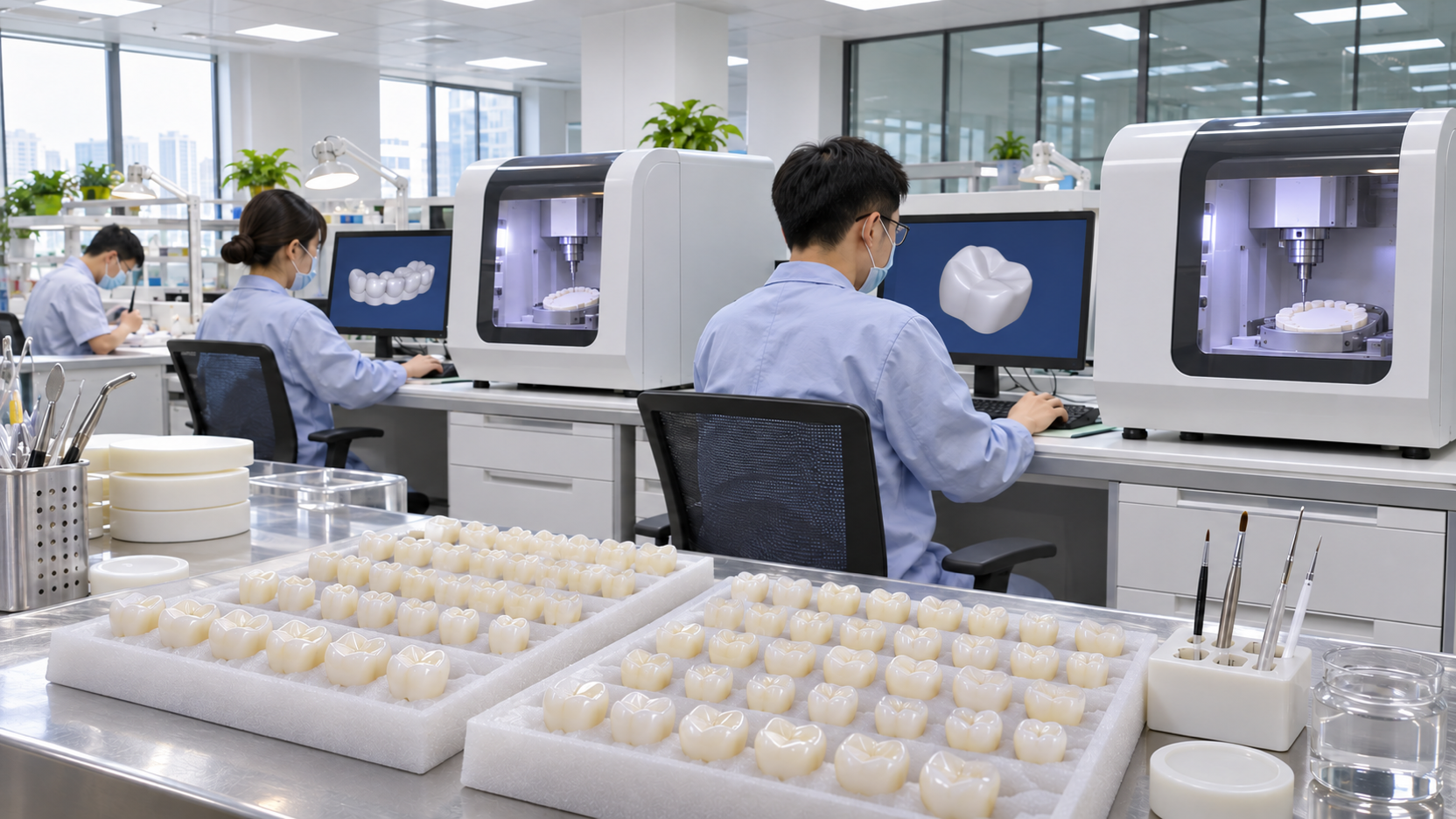
In October 2026, our lab relocated into a 5,000-square-meter production facility on the 8th Floor, Building 1, Jinchi Exhibition Innovation Park in Bao'an District, Shenzhen, where we operate with over 300 employees. Centralizing production at this scale alters the economics of dental manufacturing without cutting clinical corners:
- Departmental specialization: Instead of assigning one technician to handle model work, CAD design, contouring, and glazing, we divide production into specialized cells for implant emergence profiles, bridge frameworks, and anterior ceramic layering.
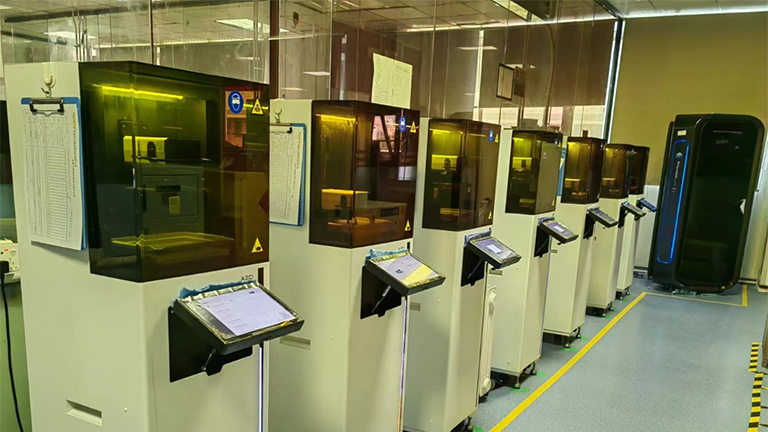
- High equipment utilization: Industrial CAD/CAM milling centers and 3D printers run across coordinated shifts, spreading equipment amortization and calibration maintenance over high daily case volumes.
- Consolidated quality assurance: Every case passes through departmental checkpoints—from incoming scan verification to final articulated occlusal inspection—before packing.
Identical Raw Material Standards at Significantly Lower Lab Fees
A common misconception among dentists considering an overseas partner is that lower laboratory fees come from substituting unverified ceramic pucks, non-precious alloys, or acrylic resins. In our facility, we use exclusively FDA-approved materials across every department. Because we purchase zirconia discs, lithium disilicate ingots, titanium bases, and prosthetic teeth in industrial quantities through authorized channels, our per-unit fabrication costs remain significantly lower than typical domestic lab fees while preserving the exact physical and optical properties clinicians expect at insertion.
If you are evaluating how offshore production fits into your practice or laboratory growth model, our complete dental outsourcing guide walks through the operational transition from initial cases to routine daily dispatches.
Key Factors That Determine Dental Lab Pricing in China
When clinic owners or laboratory managers ask how we calculate restoration fees, we break the quote down into four primary production variables.
1. Restoration Category and Prosthetic Design
Different prosthetic lines require distinct combinations of digital engineering and manual bench labor. A monolithic posterior crown follows a direct digital path from STL import to milling, sintering, and glazing. By contrast, a combination case—such as a milled primary crown paired with a cast partial denture through a precision attachment—requires coordination between our fixed and removable teams, multiple cast verifications, and manual path-of-insertion milling. We organize our fee schedule around five core product lines: Crown & Bridge, Dental Implant, Removable Restoration, Precision Attachment, and Orthodontics.
2. Material Selection and Blank Classification
Within any restoration category, material choice is the largest direct cost variable:
- Zirconia formulations: High-strength monolithic zirconia for posterior bruxers, multi-layered gradient zirconia for anterior zones, and porcelain-layered zirconia copings each carry different blank costs, tool wear rates, and furnace cycles.
- Glass-ceramics: Lithium disilicate restorations (pressed or milled crowns, veneers, inlays, and onlays) involve specific ingot costs and manual fitting on printed or stone dies.
- Porcelain-Fused-to-Metal (PFM): PFM pricing depends on alloy specification and metal market conditions, alongside manual opaque and porcelain buildup stages.
- Removable polymers and alloys: Cobalt-chromium frameworks, flexible partial resins, and high-impact denture acrylics differ in raw material cost and finishing labor.
3. Case Complexity and Monthly Unit Volume
A single posterior unit with clear chamfer margins and stable occlusion requires minimal design intervention. Full-arch rehabilitations, long-span bridges, cases with altered vertical dimension of occlusion (VDO), or restorations with pink gingival porcelain demand senior technician allocation and extended articulation checks. Commercial laboratories and clinic groups that consolidate shipments and maintain steady monthly volumes enable us to streamline intake and courier logistics—efficiencies reflected in account pricing.
4. Esthetic Customization and Shade Matching Requirements
Monolithic posterior crowns finished with stain and glaze require less bench time than customized anterior restorations. When a case calls for diagnostic wax-ups, cut-back porcelain layering, internal mamelon staining, surface micro-texture, or custom shade matching from clinical photos, the fee reflects senior ceramist hours.
Product Categories and Qualitative Pricing Structure
The table below outlines our core product lines, typical clinical indications, and the primary factors that influence unit pricing across each category. Because we maintain strict pricing accuracy for each market and account type, please contact us for a current price list.
| Product Line | Representative Restorations | Primary Cost Drivers | Relative Fee Tier (Qualitative) |
|---|---|---|---|
| Crown & Bridge | Full-contour zirconia, layered zirconia, IPS e.max crowns/veneers/inlays, PFM crowns and bridges | Ceramic translucency grade, alloy type, monolithic vs. hand-layered cut-back, span length | Significantly lower than typical domestic lab fees; monolithic posterior units are the most economical |
| Dental Implant | Screw-retained and cement-retained crowns, custom abutments, full-arch implant bridges | Implant system compatibility, titanium base selection, custom abutment milling, gingival porcelain | Varies by abutment configuration; substantial savings on custom abutment + crown packages |
| Removable Restoration | Complete acrylic dentures, cast metal partial frameworks, flexible partials, immediate dentures | Framework alloy design, tooth selection, acrylic processing method, bite rim or try-in stages | High labor-saving value compared to domestic labs where removable technicians are scarce |
| Precision Attachment | Extracoronal/intracoronal attachments, telescopic crowns, milled bars with removable suprastructures | Attachment hardware specification, parallel milling precision, fixed + removable coordination | Quoted per case configuration based on attachment count and integration complexity |
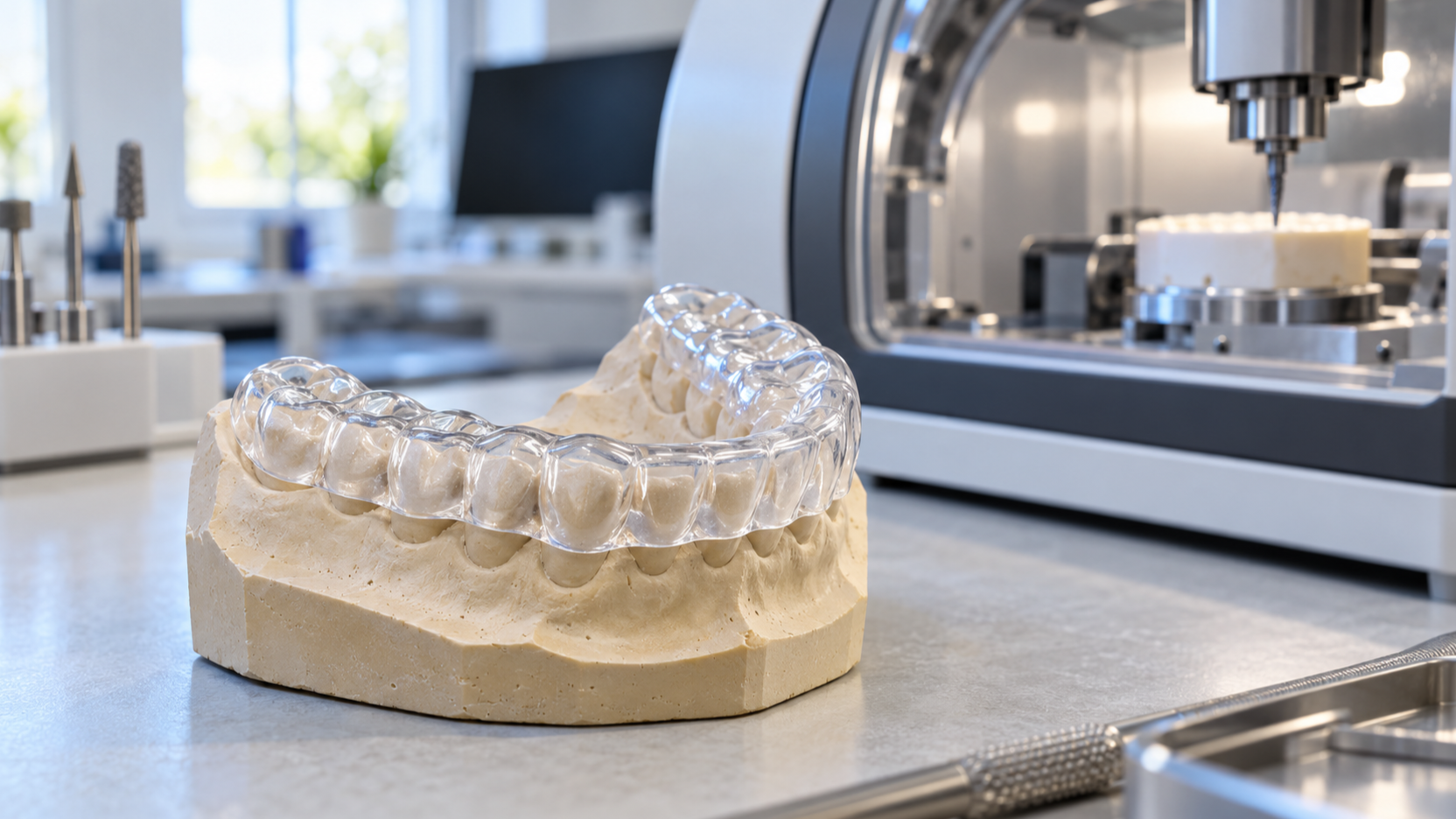
| Orthodontics | Retainers, arch expanders, functional appliances, occlusal splints, and nightguards | Appliance hardware (screws, wires), 3D printing vs. thermoforming or acrylic fabrication | Competitive per-appliance structure ideal for bundling with restorative shipments |
Crown & Bridge Restorations
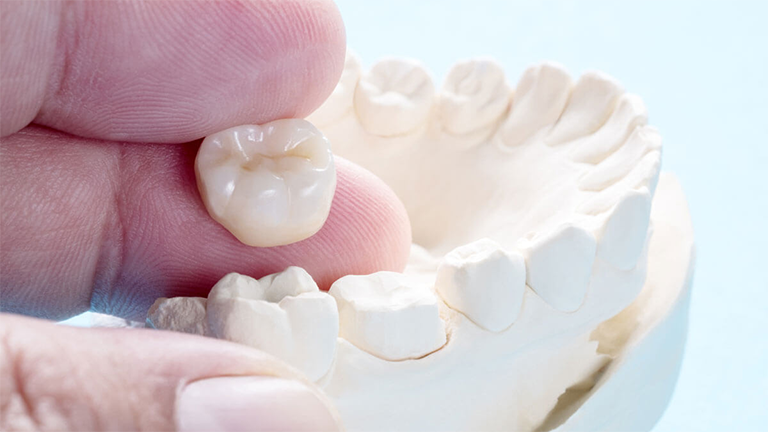
Our fixed restoration department handles single posterior crowns through full-arch rehabilitations. Clinics and partner labs sourcing crowns and bridges from our facility frequently prescribe full-contour multilayer zirconia for posterior strength and layered zirconia or lithium disilicate for the esthetic zone. During CAD design, technicians verify margin integrity, cement spacer thickness, proximal contacts, and occlusal clearance according to each doctor's saved preference profile.
Dental Implant Restorations
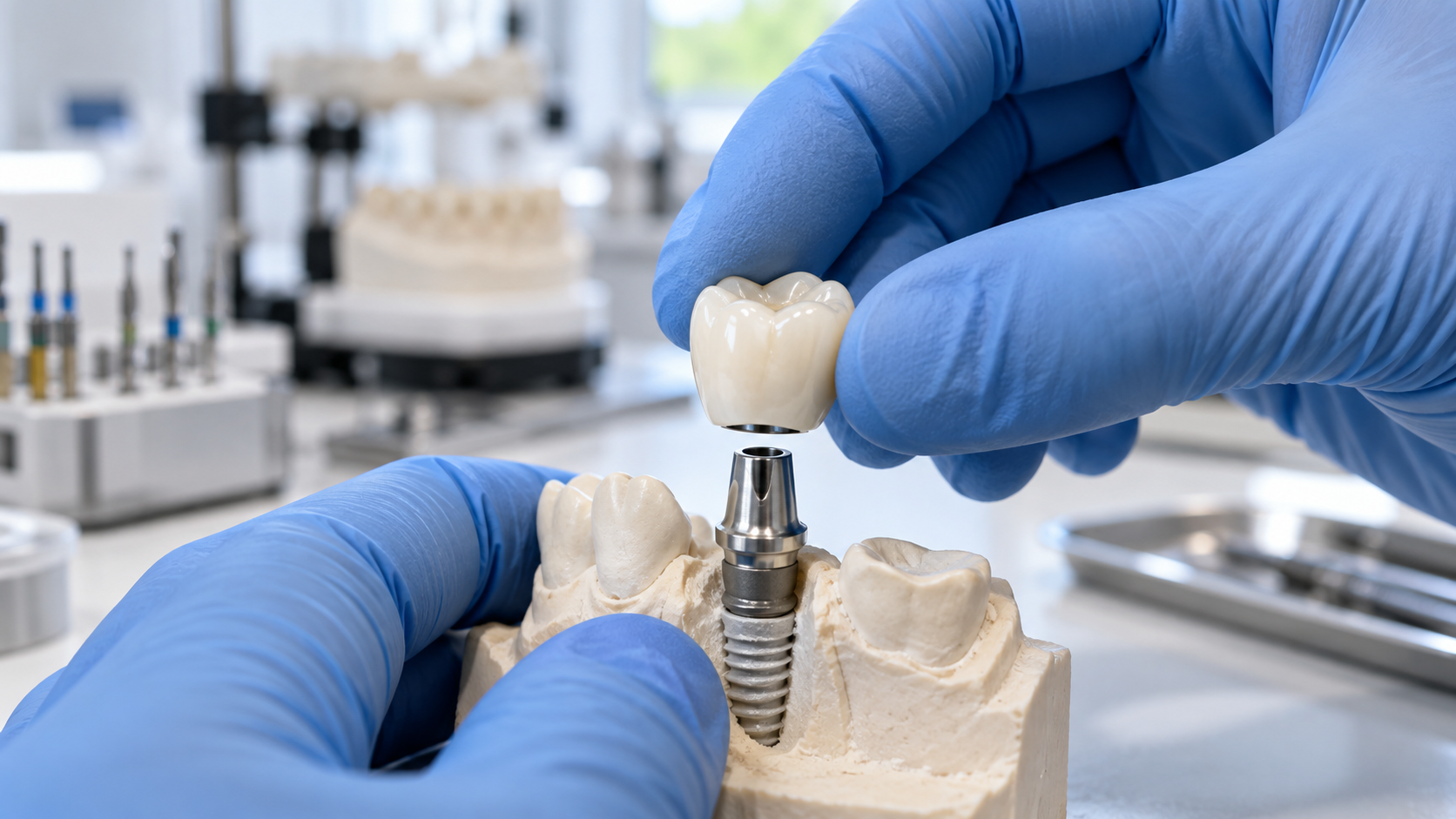
Implant prosthetics often carry steep markups at domestic laboratories due to custom abutment design, titanium milling, and superstructure fabrication. In our implant department, we fabricate dental implant crowns in screw-retained and cement-retained designs, along with custom abutments and multi-unit bridges. Whether you submit a digital scan with a scan body or a physical polyether impression, our team engineers emergence profiles that support peri-implant soft tissue.
Removable Restorations, Precision Attachments, and Orthodontics
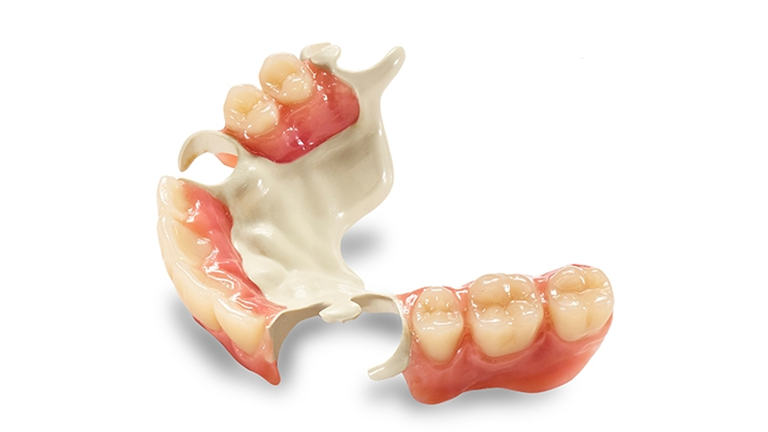
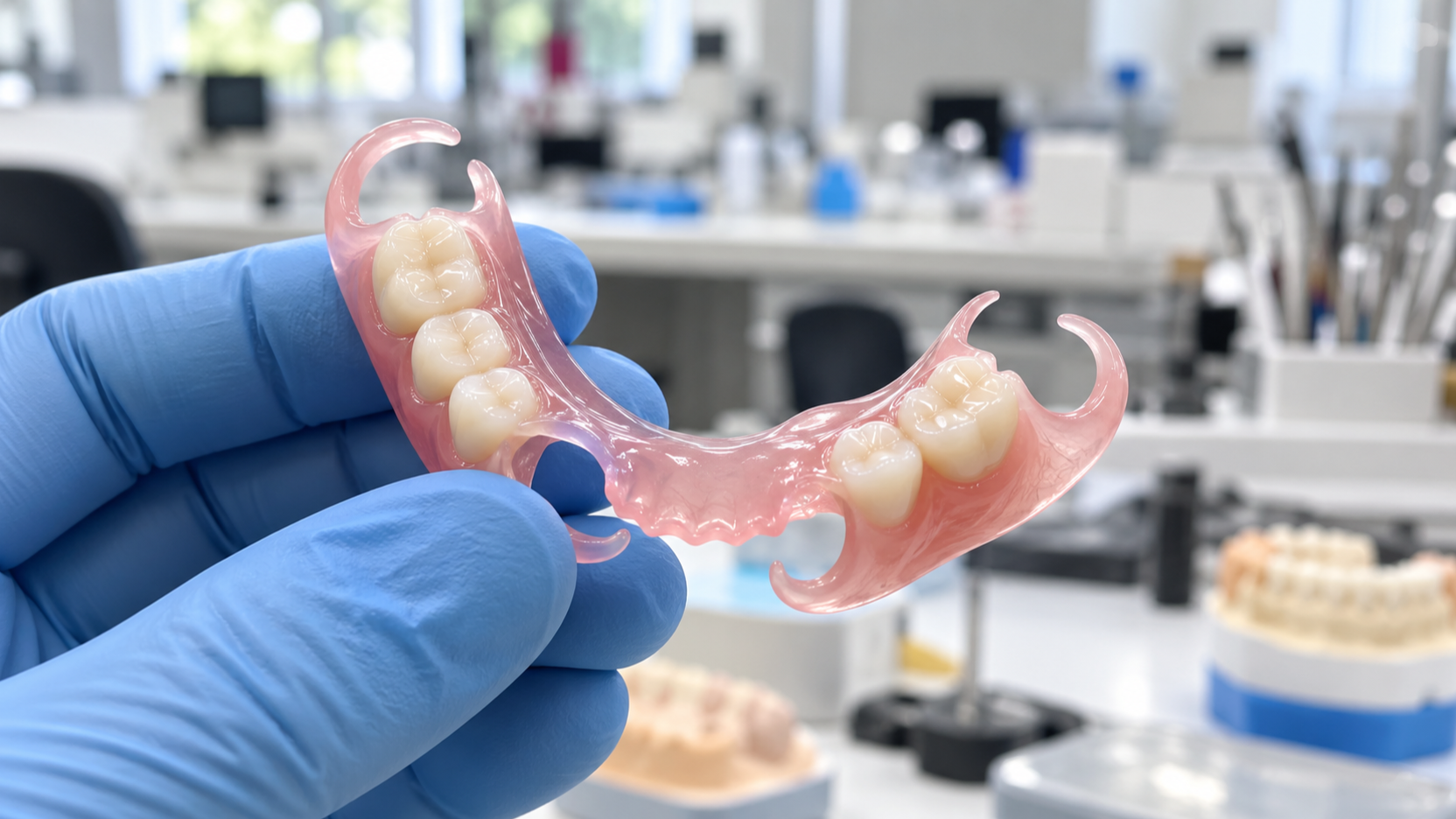
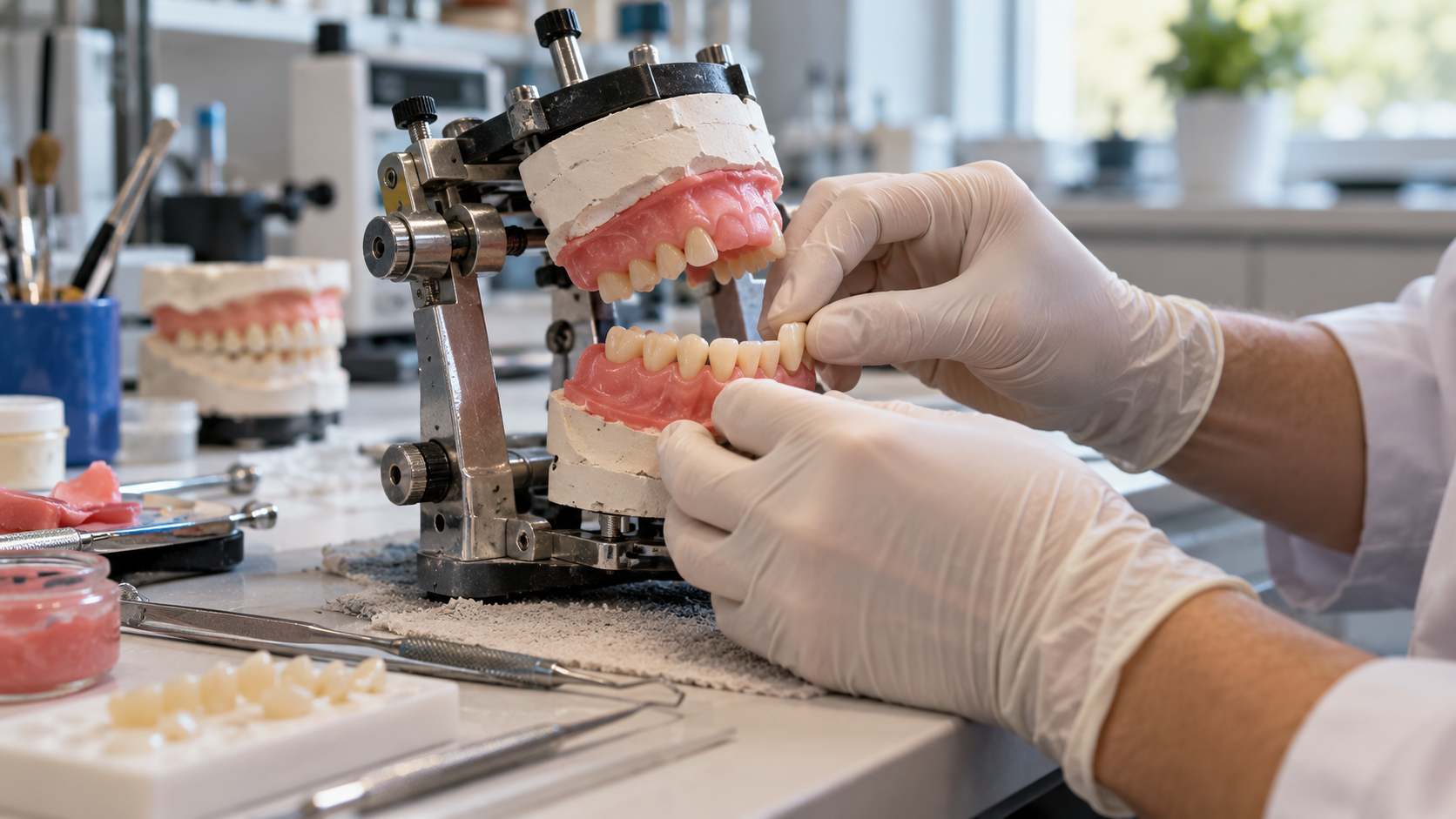
Across the US, Europe, Australia, and Latin America, removable prosthodontics is often the hardest department for local labs to staff. Our removable restorations division works alongside our Precision Attachment and Orthodontics departments under the same roof, allowing you to send complete dentures, cobalt-chromium cast partials, flexible partials, fixed-removable combination cases, and occlusal splints to one partner.
Certifications and Regulatory Compliance Behind Our Fee Structure
Lower unit fees only benefit your clinic or laboratory if every restoration satisfies your jurisdiction's medical device regulations. Operating as an international contract manufacturer since 2006, Topway Dental Lab maintains a comprehensive regulatory portfolio:
- FDA-Registered Contract Manufacturer (Class I/II Medical Devices): Active registration with the U.S. FDA as a contract manufacturer for Class I and Class II dental devices, using exclusively FDA-approved materials.
- CE Certificate: CE certification supporting our laboratory and clinical partners across the UK, Germany, France, and the wider European market.
- ISO 13485 & ISO 9001 Certification: Our 5,000-square-meter facility operates under ISO 13485 and ISO 9001 standards with full batch traceability, scheduled equipment calibration, and stage-by-stage QC sign-offs.
- China NMPA Regulatory Credentials: Medical Device Production License of China and Class II Medical Device Product Registration Certificate issued by China FDA / NMPA.
- High-tech Enterprise Certification: Holder of China's High-tech Enterprise Certification.
How the Outsourcing Workflow Operates: From Digital Scan to International Delivery
Predictable pricing depends on a predictable production floor. Whether you ship physical impressions from a commercial laboratory or upload intraoral scans directly from your clinic chair, our workflow is structured to eliminate bottlenecks and prevent remakes.
Step 1: Digital Scan Upload or Physical Impression Dispatch
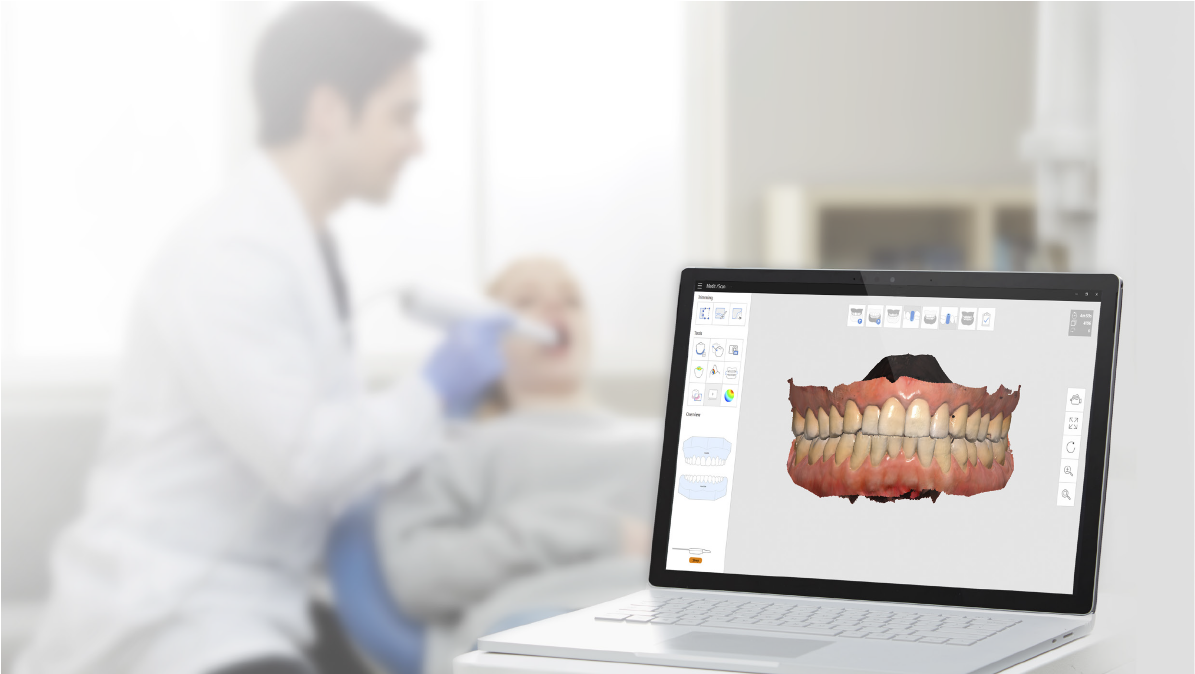
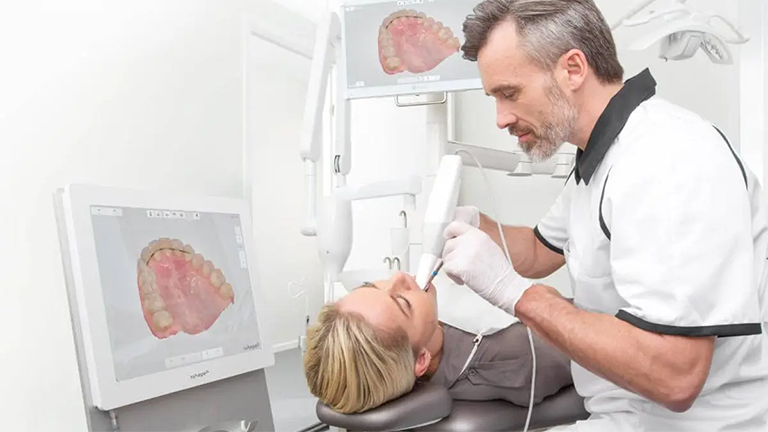
- Digital submissions: Export STL, PLY, or OBJ files from your intraoral or desktop scanner and send them with your digital prescription, shade photos, and scan body library details. Digital intake eliminates outbound shipping fees and allows our CAD team to begin case review shortly after upload. Learn more in our CAD/CAM digital dental workflow overview.
- Physical impressions: For PVS or polyether impressions, stone models, or bite registrations, pack the case securely with your prescription sheet and dispatch via international express courier to our Bao'an, Shenzhen facility.
Step 2: Floor Production Sequence
- Case Intake & Technical Review: Supervisors inspect digital scans or poured models for margin continuity, preparation taper, undercuts, and occlusal clearance. If we detect a margin void or ambiguous bite registration, we send annotated screenshots before milling begins.
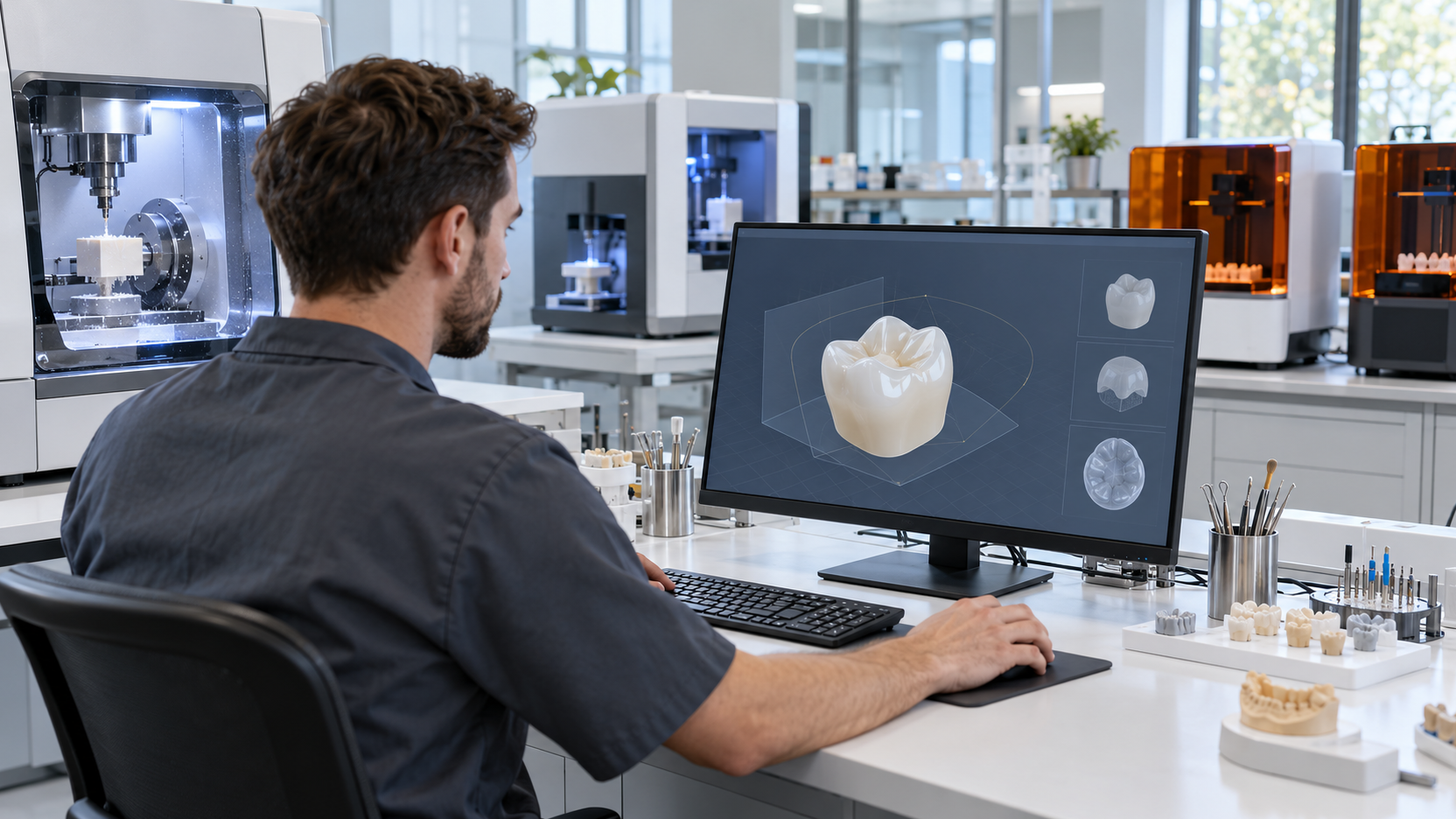
- CAD Design & Doctor Preferences: CAD technicians design restorations to your parameters for contact tightness, occlusal anatomy depth, pontic design, and cement gap. For complex implant or full-arch cases, we send 3D design previews prior to CAM processing.
- CAM Milling, 3D Printing & Sintering: Approved files move to our milling centers and 3D model printers. Zirconia units undergo calibrated sintering cycles for accurate volumetric shrinkage, strength, and shade fidelity.
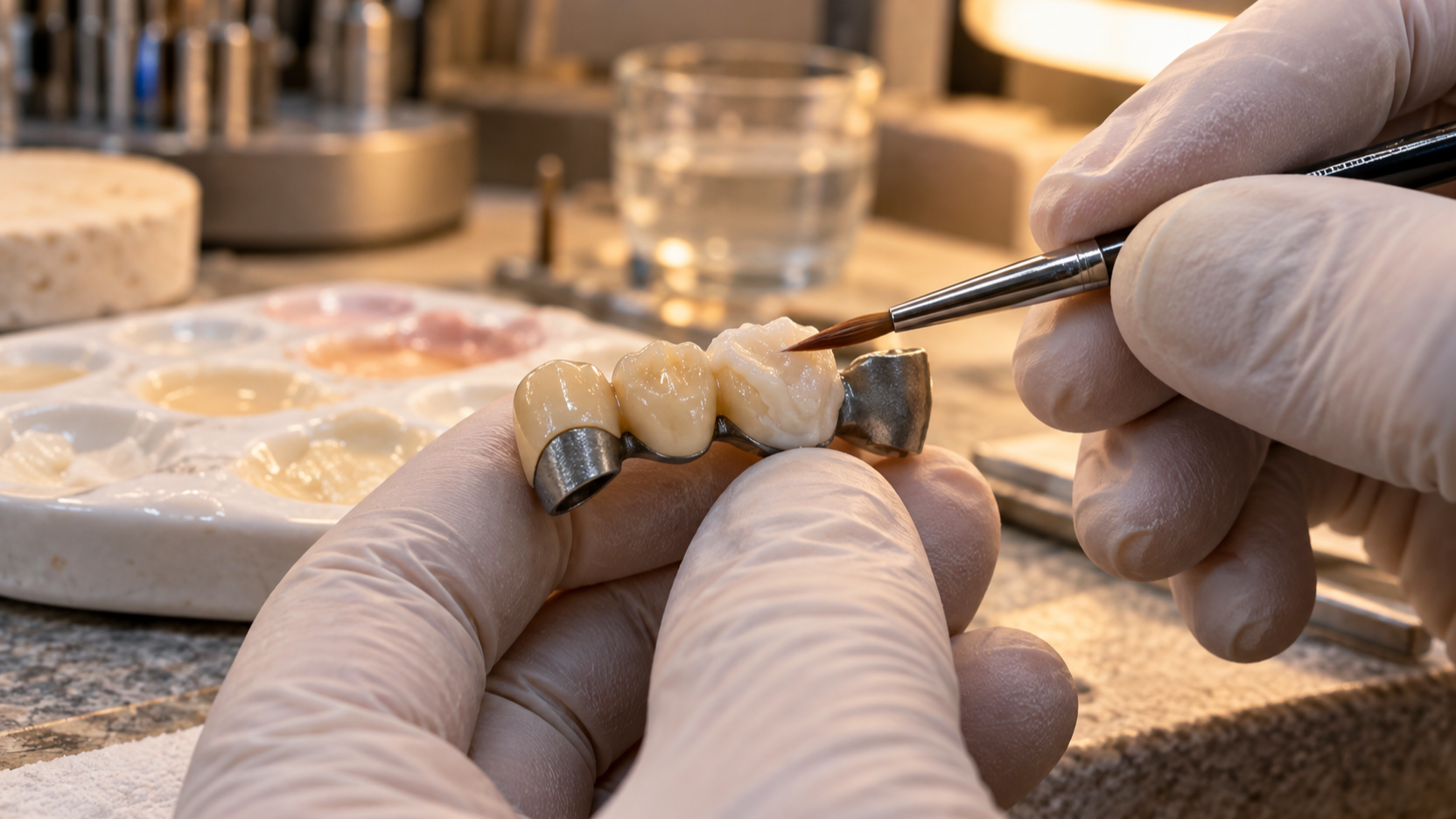
- Manual Finishing & Ceramic Layering: Technicians verify marginal adaptation on dies, refine proximal and occlusal contacts on articulated casts, and execute hand layering or characterization staining and glazing.
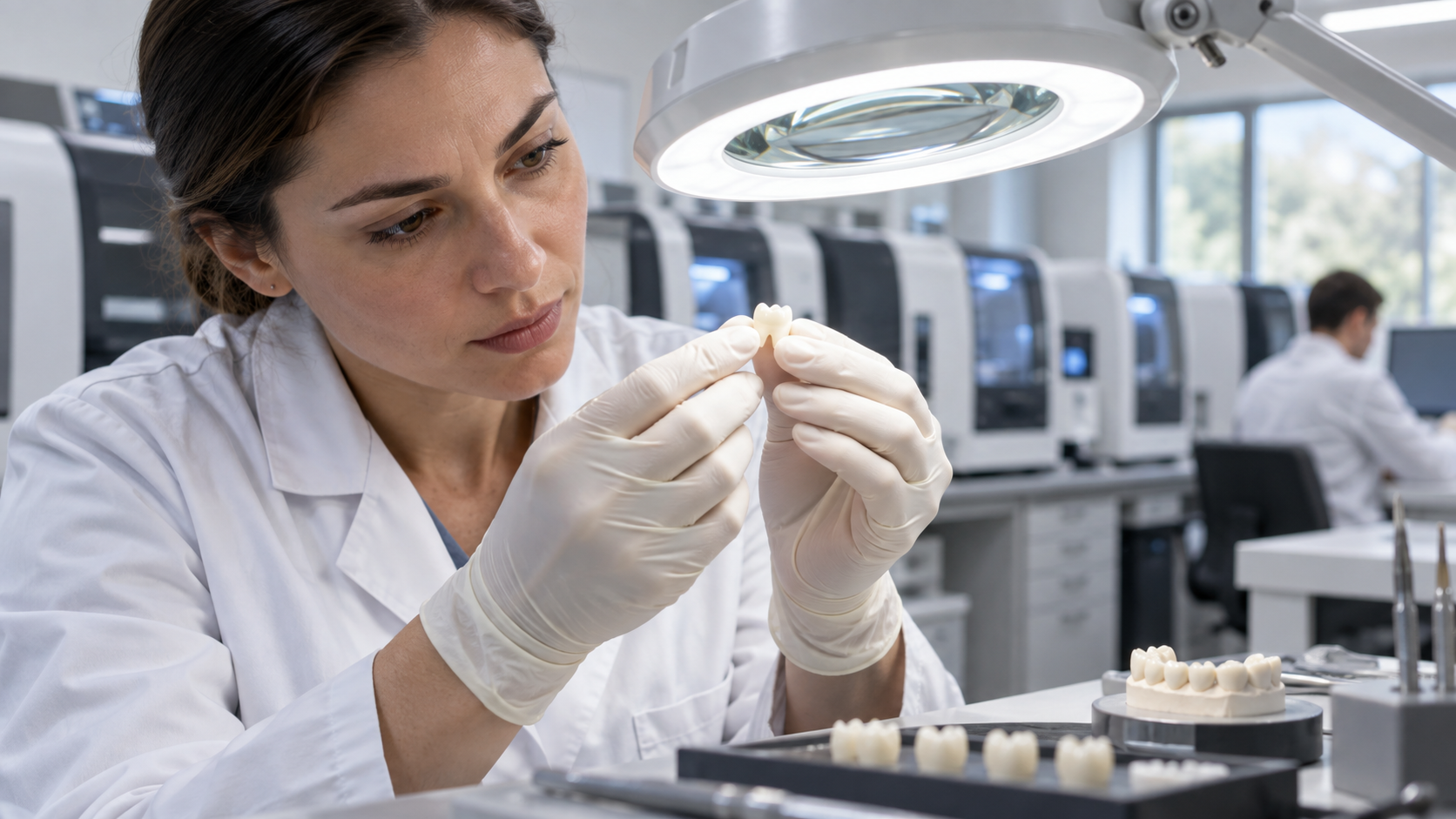
- Multi-Stage Quality Control: An independent QC supervisor checks margins under magnification, verifies shade against the prescription, confirms occlusion on the articulator, and steam-cleans and disinfects each restoration.
Step 3: International Shipping and Holiday Continuity Planning
Finished cases are packed securely in protective boxes and dispatched via international express carriers to our clients in the US, UK, Germany, France, Canada, Australia, New Zealand, Israel, Brazil, and other international markets. Because international transit times depend on digital versus physical submission, restoration type, and local customs clearance procedures in your country, please contact our team directly for realistic turnaround schedules specific to your region.
One operational concern many overseas laboratories raise about outsourcing to China is the annual Chinese New Year holiday. Since 2022, Topway Dental Lab has implemented special Chinese New Year production scheduling arrangements to safeguard quality and delivery timelines through the holiday period, so our overseas clients do not experience workflow blackouts.
Step 4: Direct Technician Communication
Our case managers and technical supervisors communicate directly via email and phone, exchanging CAD screenshots, shade photographs, and design adjustments so your prescription instructions are executed accurately on the first attempt.
Comparing Total Landed Costs: Domestic Dental Lab vs. Outsourcing Lab in China
To evaluate the true financial impact of working with an outsourcing dental lab, experienced laboratory owners and clinicians calculate total landed cost per seated unit rather than looking at the base invoice price in isolation.
Qualitative Savings Structure
Across fixed crowns and bridges, custom implant restorations, and removable prosthetics, our laboratory fees are significantly lower than typical domestic lab fees in Western Europe, North America, Australia, and major international markets. For commercial dental laboratories, outsourcing overflow cases or labor-intensive lines (such as cast partial frameworks, PFM bridges, or custom implant abutments) allows you to expand capacity without hiring additional bench staff or purchasing new milling units. For dental clinics, direct outsourcing lowers the prosthetic cost ratio on both routine restorative work and multi-unit cases.
Accounting for Freight, Customs, and Chairside Time
- International Express Freight: Shipping a single crown in an individual courier box dilutes a portion of your unit savings. Consolidating multiple cases into a single shipment reduces the per-unit freight cost to a small fraction of the total invoice.
- Import Duties and Customs Clearance: Depending on whether your clinic or laboratory operates in the US, the EU, the UK, Australia, Brazil, or another jurisdiction, imported medical devices may be subject to customs brokerage fees, value-added taxes, or tariffs. Our logistics team prepares accurate commercial invoices and regulatory documentation to support smooth customs clearance.
- Chairside Adjustment and Remake Costs: The most expensive restoration is one that has to be remade. By combining FDA-approved materials, ISO 13485 process controls, and pre-milling scan checks, we focus on minimizing remakes and keeping chairside seating appointments short.
Order Batching Strategies to Maximize Margin
- Send digital scans daily: Upload STL files as soon as patients leave the chair so production starts immediately in Shenzhen without outbound courier fees or transit days.
- Group return dispatches: Schedule consolidated return shipments two or three times per week (or daily for larger laboratories) so multiple completed restorations travel under a single express waybill.
- Standardize doctor preferences: Establish a permanent technical profile with our CAD team specifying your preferred occlusal relief, contact tightness, and margin design.
How to Request a Current Price List and Start Your First Case
Because every dental practice and commercial laboratory operates with a different mix of fixed, implant, removable, and orthodontic cases, we provide up-to-date fee schedules directly upon request. When you reach out, sharing a few details helps us prepare the most relevant pricing and scheduling information:
- Your clinic or dental laboratory location (country and city) so we can advise on express routing and customs documentation.
- Whether you submit cases primarily via digital scans (STL/PLY) or physical impressions.
- The primary product categories you plan to outsource (Crown & Bridge, Dental Implant, Removable Restoration, Precision Attachment, or Orthodontics) and your approximate monthly unit volume.
Contact Topway Dental Lab Directly for a Current Price List:
- Email: [email protected]
- Phone: +86 153 2504 5142
- Fax: +86 755 2698 5013
- Website: https://www.topwaydentallab.com
- Facility Address: 8th Floor, Building 1, Jinchi Exhibition Innovation Park, No. 59 Haoye Road, Zhancheng Community, Fuhai Street, Bao'an District, Shenzhen, China
Frequently Asked Questions
How much does a zirconia crown cost from a dental laboratory in China?
At Topway Dental Lab, our zirconia crown fees are significantly lower than typical domestic lab fees across North America, Europe, Australia, and other markets, while using exclusively FDA-approved materials. Because exact pricing depends on the zirconia formulation (monolithic posterior versus multi-layered anterior or porcelain-layered zirconia), monthly volume, and shipping preferences, we do not publish static figures online. Contact us at [email protected] or +86 153 2504 5142 for a current price list.
Is it safe to outsource dental restorations to China for overseas patients?
Yes, when you partner with a certified, traceable contract manufacturer. Founded in 2006, Topway Dental Lab began by serving US dental laboratories and, from 2010, expanded to laboratories and clinics in the UK, Germany, France, Canada, Australia, New Zealand, Israel, Brazil, and beyond. We hold FDA registration as a contract manufacturer (Class I/II), CE certification, and ISO 13485 and ISO 9001 certifications, and use exclusively FDA-approved materials.
What certifications should a reliable Chinese dental laboratory hold?
Verify both international and domestic regulatory credentials: active registration as an FDA-registered contract manufacturer (Class I/II medical devices), a CE certificate, and ISO 13485 and ISO 9001 quality management certifications. Within China, a legitimate manufacturer must hold the Medical Device Production License of China and the Class II Medical Device Product Registration Certificate issued by China FDA / NMPA. Topway Dental Lab holds all of these credentials, plus China's High-tech Enterprise Certification.
How long does international shipping take for dental restorations from China?
Turnaround time depends on whether you submit a digital intraoral scan or ship a physical impression, restoration complexity, and express courier transit and customs clearance to your destination country. Digital scans eliminate outbound shipping days, and since 2022 we have maintained special production scheduling during the Chinese New Year holiday to protect delivery continuity. Contact our team with your location for an accurate turnaround schedule.
Are the dental materials used in Chinese outsourcing labs the same as those in domestic laboratories?
At Topway Dental Lab, yes—we use exclusively FDA-approved materials across all fixed, implant, removable, precision attachment, and orthodontic restorations. Every material batch is tracked under our ISO 13485 quality management system. Our cost advantage comes from production scale and high CAD/CAM utilization, never from substituting uncertified dental materials.
Top Posts
Recent Posts

How can we help you today?
We believe in providing the best possible care to all our existing patients and welcome new patients to sample.
